June 15, 2026
Here, we explore the critical role residential electricians play in ensuring the safety and well-being of homes. From preventing electrical fires to maintaining the efficiency of home electricity systems, hiring a professional residential electrician is a crucial step in safeguarding your property and loved ones.
Understanding Electrical Risks at Home
Common Electrical Hazards
Electricity, while an essential part of modern living, comes with a set of inherent risks. Common electrical hazards include faulty wiring, exposed wires, overloaded circuits, and malfunctioning appliances. Each of these hazards poses a serious threat to home safety, potentially leading to electrical fires, which are among the most devastating home catastrophes. A residential electrician is trained to identify these dangers and rectify them before they cause any harm. Regular home inspections by a professional can significantly reduce the likelihood of these risks becoming a reality.
The Cost of Ignoring Electrical Issues
Ignoring electrical issues can have dire consequences. Not only do homeowners face the risk of fire or electric shock, but ignoring these problems can also lead to inefficient energy use, thus increasing utility bills. According to This Old House, in older homes, which often rely on outdated 60-amp to 100-amp service, electrical systems may struggle to meet current energy demands, elevating the risk of overloads. Professional electricians can upgrade these systems, ensuring they meet modern safety standards and energy needs. Ultimately, addressing electrical issues promptly is a sound investment in home safety and financial well-being.
Importance of Timely Intervention
Timely intervention by a residential electrician can mean the difference between a safe home and a disaster waiting to happen. As issues are identified, they must be addressed immediately to mitigate risk. Small problems, if left unattended, often escalate into major hazards that could result in costly repairs, property damage, or injury. Regular check-ups and proactive maintenance by professionals ensure that potential dangers are eliminated early. This preemptive approach not only enhances safety but also saves homeowners from future expenses.
The Expertise of Professional Electricians
Qualification and Certification Requirements
Professional electricians undergo extensive training and certification processes to ensure they are equipped to handle various electrical tasks safely and effectively. Their qualifications involve rigorous coursework, practical apprenticeships, and continuous education to keep up with new technologies and standards. Certification guarantees a level of competency that is crucial for ensuring home safety. Homeowners can trust certified electricians to perform installations and repairs that comply with local and national electrical codes. This expertise is instrumental in executing safe and reliable electrical work.
Hands-On Experience and Skill Set
In addition to formal training, hands-on experience greatly enhances an electrician's skill set. Experienced electricians have encountered a wide array of electrical issues and have developed the ability to troubleshoot effectively. This practical experience allows them to identify the root causes of problems swiftly and apply effective solutions. By hiring electricians with a comprehensive background, homeowners benefit from the assurance that their electrical systems are in competent hands. The peace of mind that comes from knowing a professional is handling electrical issues is invaluable.
Knowledge of Electrical Code Updates
Electrical codes are periodically updated to reflect new safety standards and technological advancements. Professional electricians stay informed about these updates to ensure compliance when performing electrical work. This adherence to current codes is vital for maintaining safety and legality in residential electrical systems. Homeowners who use certified electricians can rest assured that their electrical work meets the latest safety standards. Code compliance not only protects families and property but also ensures that homes meet regulatory requirements.
The Role of Electricians in Electrical System Upgrades
Installing Energy-Efficient Systems
Energy efficiency is a significant consideration in electrical system upgrades. Professional electricians can suggest and install systems that reduce energy consumption while maintaining performance. Upgraded systems might include energy-efficient lighting, smart thermostats, and modern appliances that save energy without sacrificing functionality. By reducing energy usage, homeowners not only decrease their carbon footprint but also save on utility costs over time. An electrician’s expertise is crucial in selecting and implementing these energy-saving solutions effectively.
Upgrading to Smart Home Technology
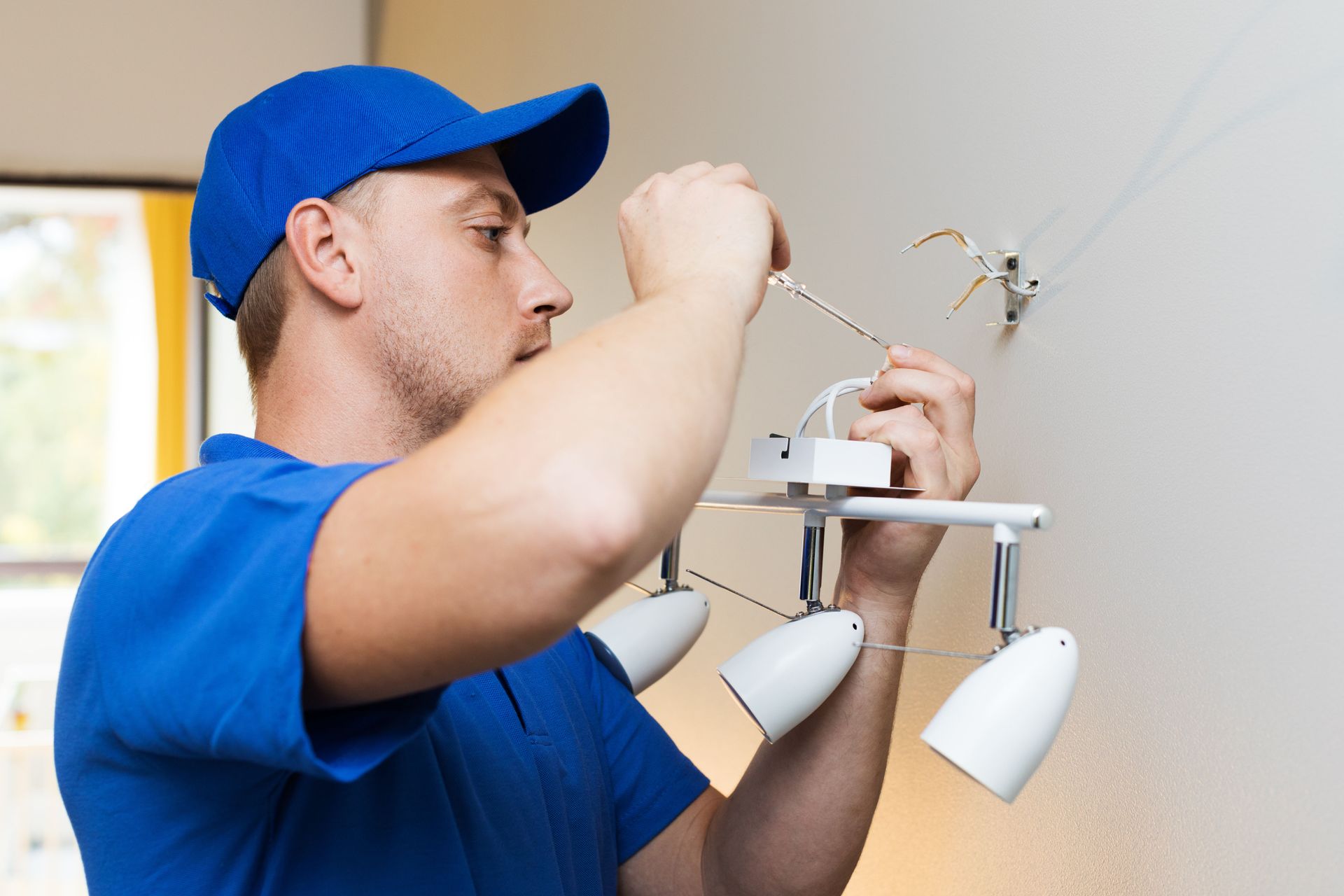
The rise of smart home technology has transformed how homeowners interact with their living spaces. Electricians are pivotal in integrating smart technology with existing electrical systems. This includes installing smart outlets, lighting, and security systems that enhance convenience and control. By ensuring proper installation and compatibility, electricians help make smart homes safer and more efficient. Their knowledge of the latest technologies ensures that homes can seamlessly integrate these advanced systems for improved lifestyle and utility management.
Expanding Electrical Capacity for Home Extensions
Home extensions or renovations often necessitate an increase in electrical capacity to accommodate new areas and appliances. Electricians are instrumental in planning and executing these capacity expansions safely. They design and install new circuits and wiring configurations that support the additional load requirements. By ensuring the electrical system can handle the increased demand, electricians enhance functionality while preventing overload-related hazards. Their input is vital in executing expansions that are safe, legal, and efficient.
Preventative Maintenance and Regular Inspections
Benefits of Scheduled Maintenance
Scheduled maintenance is a proactive approach to managing residential electrical systems. Regular check-ups allow electricians to catch minor issues before they develop into major concerns, thus maintaining system integrity. These inspections help ensure that all electrical components, from wiring to outlets, function properly and safely. Preventative maintenance can extend the lifespan of electrical systems while reducing the risk of costly repairs. By investing in routine maintenance, homeowners enhance home safety and resilience.
Key Components of an Electrical Inspection
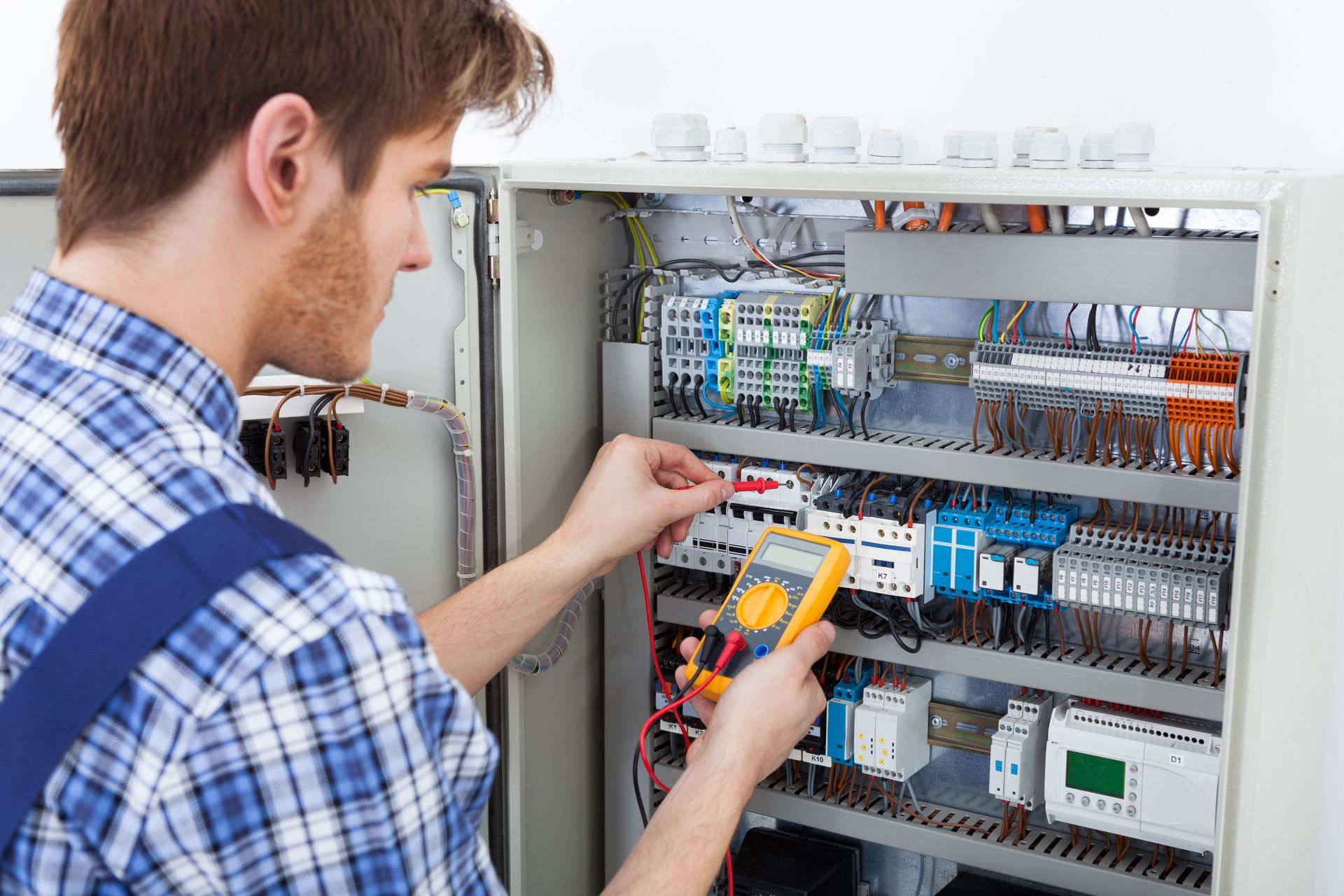
An electrical inspection involves a thorough assessment of various system components. Residential electricians examine critical areas such as the main electrical panel, circuit breakers, grounding systems, wiring, and fixtures. They also check for code compliance and potential overload scenarios. This comprehensive evaluation helps identify safety concerns and ensures the system meets current standards. Regular inspections are part of maintaining a home’s value and safety, providing homeowners with detailed insights into their electrical system’s condition.
Abilities to Identify and Rectify Potential Hazards
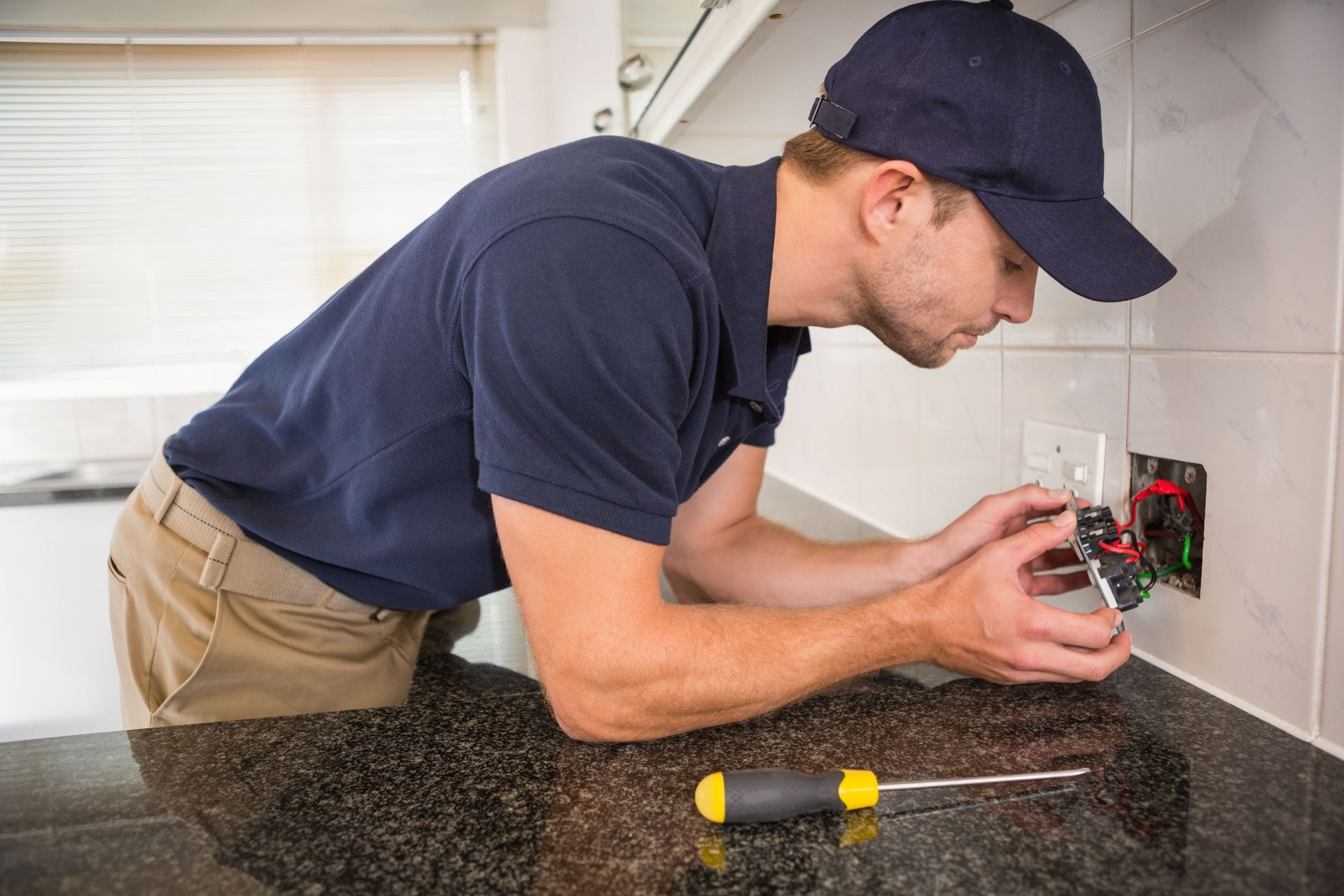
During inspections, Residential electricians identify potential hazards such as faulty wiring or outdated components that could lead to fires or electrocution. By rectifying these threats early on, electricians prevent accidents and enhance home safety. Timely intervention can involve repairing wiring, updating panels, or replacing components that are no longer safe. This proactive approach fosters a safer, more secure living environment. Through diligence and expertise, electricians play a critical role in protecting homes from electrical dangers.
Emergency Situations and Rapid Response
Immediate Actions for Homeowners
In the event of an electrical emergency, homeowners should take immediate steps to ensure safety. The priority is to evacuate the premises if there is a fire or risk of electrocution. Once safely outside, calling emergency services and a qualified electrician is essential. If safe to do so, the main power supply may be turned off to prevent further hazards. Staying calm and following a pre-determined plan helps protect lives and property during an emergency.
Services Provided by an Electrician in Crisis
Residential electricians play a pivotal role in managing and resolving electrical emergencies. Their expertise allows them to quickly assess the situation, identify the source of the problem, and implement safe solutions. Whether dealing with a fire, outage, or hazardous wiring, electricians prioritize client safety while restoring functionality. Their skills ensure that crises are managed effectively, minimizing damage and risks. Homeowners can rely on electricians to resolve emergencies with professionalism and care.
Post-Emergency Safety Measures
After an electrical emergency, ensuring the home is safe and fully functional is crucial. Electricians will conduct a comprehensive inspection to assess any damage and potential future risks. They will make necessary repairs and offer recommendations for preventing similar incidents in the future. Additionally, an updated safety plan may be developed to improve preparedness. These steps help homeowners secure their property and confidence post-emergency, ensuring continued safety and stability.
Hiring a residential electrician is not just a matter of convenience but a necessary step in maintaining a safe and functional home environment. Their expertise in managing electrical risks, performing upgrades, and conducting emergency repairs ensures both the safety and long-term value of your property. By prioritizing professional electrical services, homeowners can protect their investments and enjoy peace of mind knowing their home is in capable hands. To make your home a safer place, reach out to the electrical pros over at At Your Service Electric, LLC.