June 15, 2026
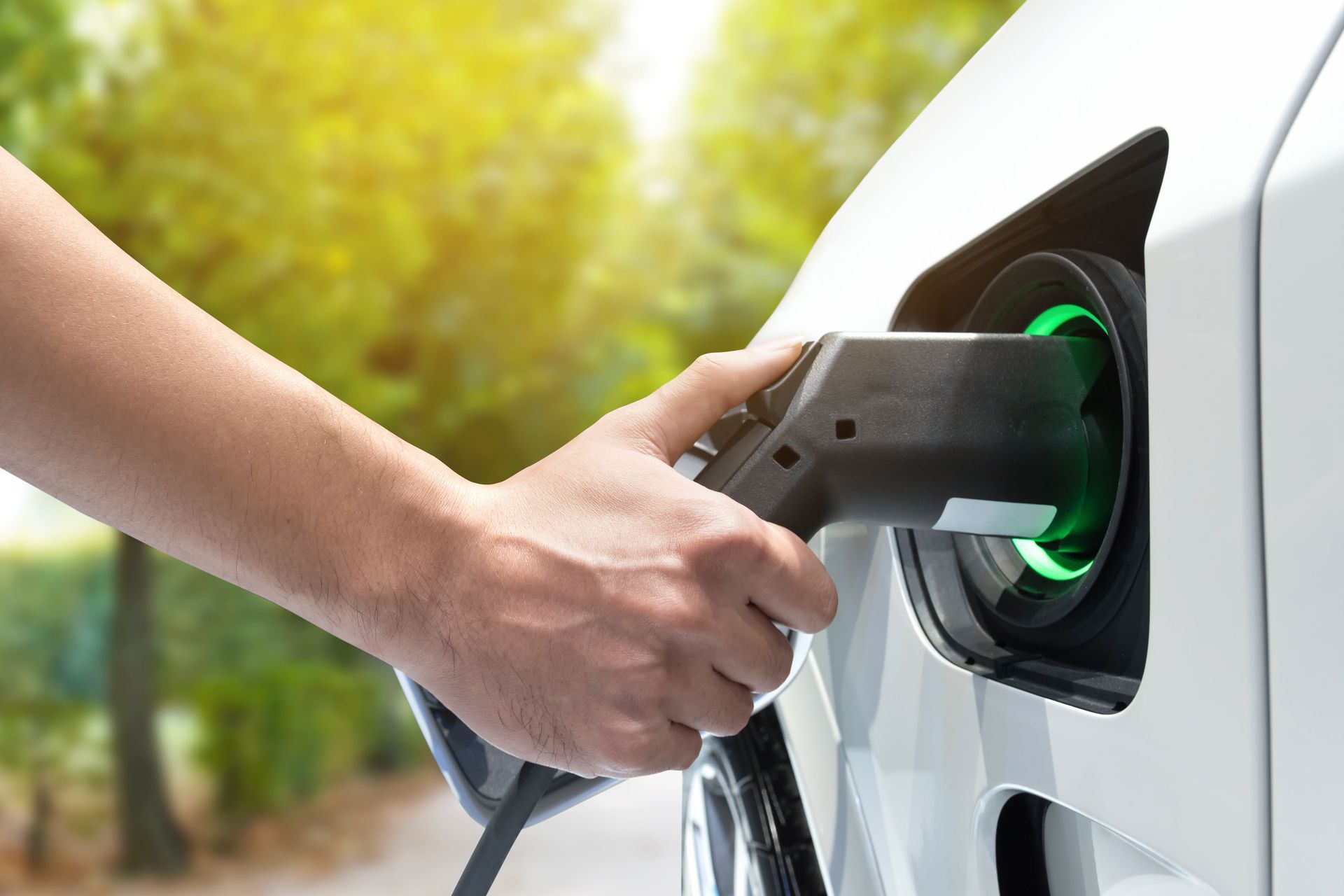
Electric vehicle ownership can make driving simpler, but the charging setup at home plays a major role in how convenient the experience feels. Relying only on public charging stations can create extra planning for drivers with busy schedules, longer commutes, or multiple vehicles in the household. A home charging station helps bring that process into a familiar space, giving drivers more control over when and how their vehicles are powered.
Working with home EV charger installers can make the process easier because EV charging is not just about mounting a charger on the wall. It involves electrical capacity, equipment selection, safe wiring, code requirements, placement, and long-term usability. When each part of the setup is handled carefully, homeowners can feel more prepared to make electric vehicle ownership fit into everyday life.
Making Charging More Convenient
One of the biggest benefits of a home charger is the ability to charge while doing other things. Instead of building a routine around public stations, drivers can plug in after work, before bed, or during a weekend at home. That convenience can make electric vehicle ownership feel more natural because charging becomes part of the household routine rather than a separate errand.
Home EV charger installers help homeowners decide where a charger should go so it works well with the garage, driveway, parking area, or electrical panel location. Placement matters because a charger should be easy to reach without creating safety concerns or daily frustration. A thoughtful installation can also reduce awkward cord placement, long extension routes, or unnecessary repositioning of the vehicle.
Supporting Safer Electrical Planning
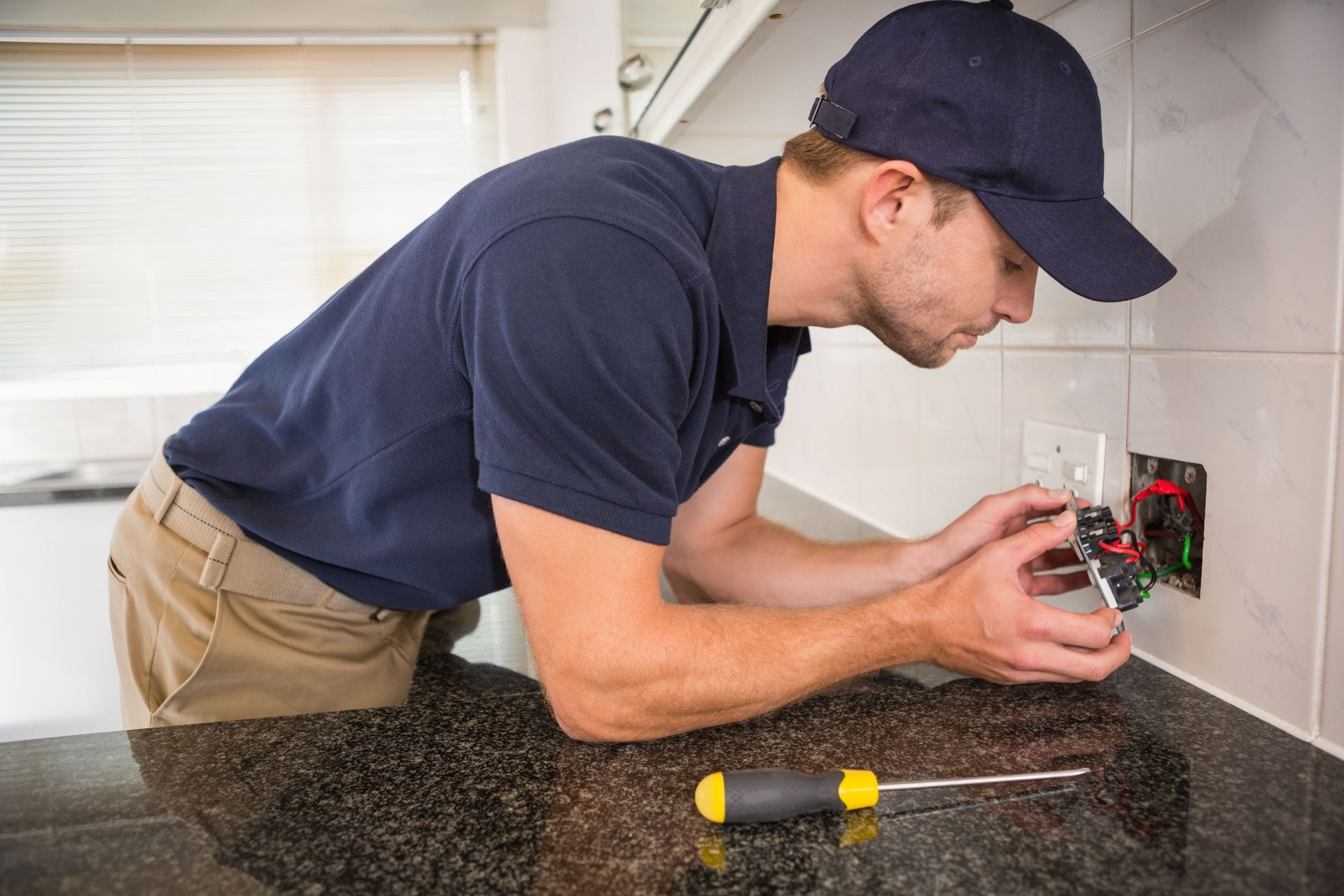
EV chargers place a meaningful demand on a home’s electrical system, so professional planning is essential. Homeowners may know where they want the charger, but they may not know whether the electrical panel, circuits, or wiring can support that location safely. Home EV charger installers can evaluate these details before the work begins, helping reduce the risk of overloads, poor performance, or electrical issues.
According to Car and Driver, because EV charging can require anywhere from 24 to 80 amps, it is important to evaluate how much additional electrical capacity your home has beyond its current needs. This is especially important for homes that already support major appliances, heating and cooling equipment, workshops, additions, or other high-demand electrical features.
A careful assessment can determine whether a panel has enough room, whether a dedicated circuit is needed, and whether any upgrades should be considered before installation. This step helps homeowners make better decisions instead of assuming that every property is already equipped for EV charging. By looking at the full electrical picture, home EV charger installers can help create a setup that supports both the charger and the rest of the home’s electrical needs.
Matching Equipment to Daily Driving
Not every driver needs the same charging setup. Some people drive only a few miles each day, while others use their vehicle for long commutes, client visits, school drop-offs, or frequent regional travel. Home EV charger installers can help homeowners think through their driving patterns so the charger is matched to real use instead of guesswork.
Charger type, charging speed, cord length, location, and compatibility can all affect the final experience. A homeowner who parks in a garage may need a different layout than someone who parks outside. A household with one EV may have different needs than a household planning to add another electric vehicle later. Professional guidance can help homeowners avoid choosing equipment that is too limited or more complex than necessary.
The right charger can also help drivers feel more confident about range. When the equipment supports a dependable charging routine, drivers are less likely to worry about whether the vehicle will be ready when needed.
Improving Home Charging Efficiency
A home charger should do more than simply power a vehicle. It should support a smooth, efficient routine that works with the household’s schedule and electrical setup. Home EV charger installers can recommend installation approaches that help the charger perform properly and reduce avoidable electrical strain.
Efficiency can also come from understanding charging habits. Some homeowners may benefit from charging overnight, while others may prefer shorter charging sessions at specific times. Certain chargers include smart features that allow scheduling, usage tracking, or app-based controls.
Professional installation can also reduce the chance of poor charger performance caused by improper wiring, weak connections, or unsuitable placement. When the charger is installed with the right circuit and setup, it is better positioned to work as intended. That can help homeowners get more value from their EV and make charging feel like a dependable part of their normal routine.
Reducing Guesswork Around Installation
Many homeowners have questions when they first consider adding a charger. They may wonder what permits are required, where the charger should be mounted, whether the panel needs an upgrade, or how long the installation may take. Home EV charger installers help reduce this uncertainty by explaining the practical steps and identifying potential issues before they become problems.
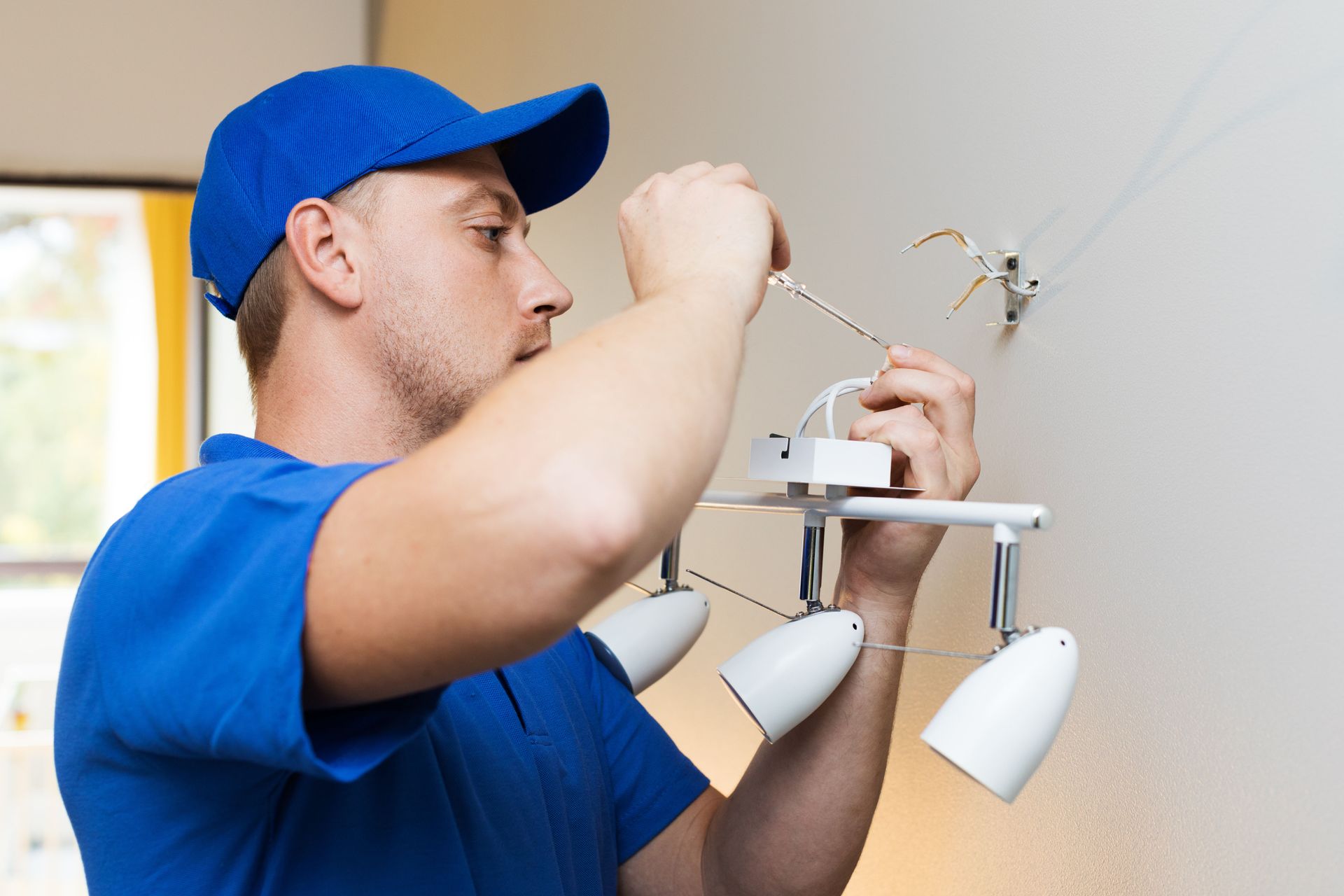
The installation process may involve reviewing the current electrical panel, planning the circuit route, selecting a charger location, installing proper wiring, mounting the charger, and testing the system. Depending on the property, the work may be simple or more involved. Having a professional evaluate the home can help homeowners understand what their specific installation requires.
This support is valuable because online recommendations are often general. They may not account for the age of a home, the condition of an electrical panel, local code requirements, or the distance between the panel and the parking area. A professional installation plan is based on the actual property, which makes the guidance more useful and realistic.
Preparing Homes for Long-Term EV Use
Electric vehicle ownership is becoming more common, and many homeowners are thinking beyond their first EV. A charger installed today may need to support changing routines, future vehicles, or a second EV later on. Home EV charger installers can help homeowners consider these possibilities so the installation supports both current and future needs.
Planning may involve discussing panel capacity, charger placement, conduit routes, equipment flexibility, or whether future upgrades could be easier with certain choices now. While not every home needs a larger project right away, it is helpful to understand what options are available. A more informed installation can prevent homeowners from making short-term choices that limit them later.
The shift to an electric vehicle can bring new habits, but those habits do not have to feel complicated. A professionally installed charger helps turn charging into a regular part of home life. With the right setup, homeowners can spend less time thinking about where to charge and more time enjoying the benefits of their vehicle.
Home EV charger installers make this process easier by combining electrical knowledge with practical planning. They help homeowners understand capacity, placement, equipment, safety, and usability before the charger is installed. That guidance can make a major difference for drivers who want a charging setup that fits their daily routine and supports their home’s electrical system.
For many people, the value of home charging comes from peace of mind. Knowing that a vehicle can be charged at home, on a familiar schedule, can make EV ownership feel less uncertain. With the right installation, homeowners can build a charging routine that is convenient, safe, and ready for the way they actually drive. Call At Your Service Electric, LLC today to schedule your electrical service or consultation.