June 16, 2026
Electrical systems are the backbone of modern homes and businesses, but hidden issues can pose serious safety risks if left unaddressed. From aging wiring and overloaded circuits to faulty electrical panels, many common problems develop gradually and often go unnoticed until they cause significant damage or create dangerous conditions. Professional electrical inspections play a vital role in identifying these hazards before they escalate, helping property owners maintain safe, reliable, and code-compliant electrical systems. Understanding the most common issues electricians encounter during inspections can help homeowners recognize warning signs early and take proactive steps to protect their property and the people who depend on it.
Faulty Wiring
Outdated Wiring Systems
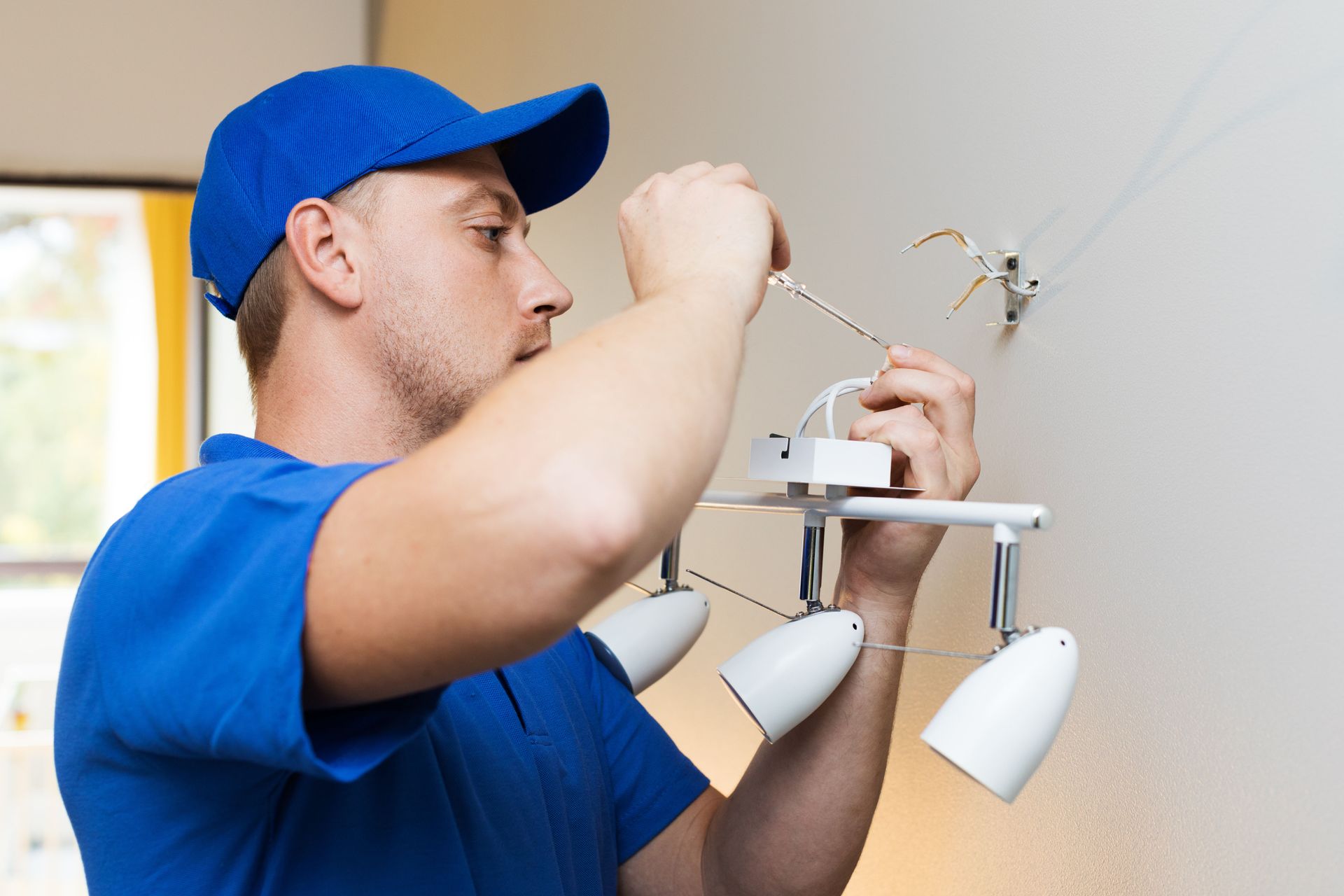
Outdated wiring systems are a major concern as they often do not meet current safety standards. Buildings constructed several decades ago might still have aluminum or knob-and-tube wiring, which are both prone to overheating and failure. Faulty connections and insulation in these systems can lead to electrical fires or shock hazards. Electricians must evaluate these older systems and recommend upgrades to modern, safer materials like copper wires. Addressing outdated wiring ensures compatibility with today's electrical loads and significantly reduces the risk of fire.
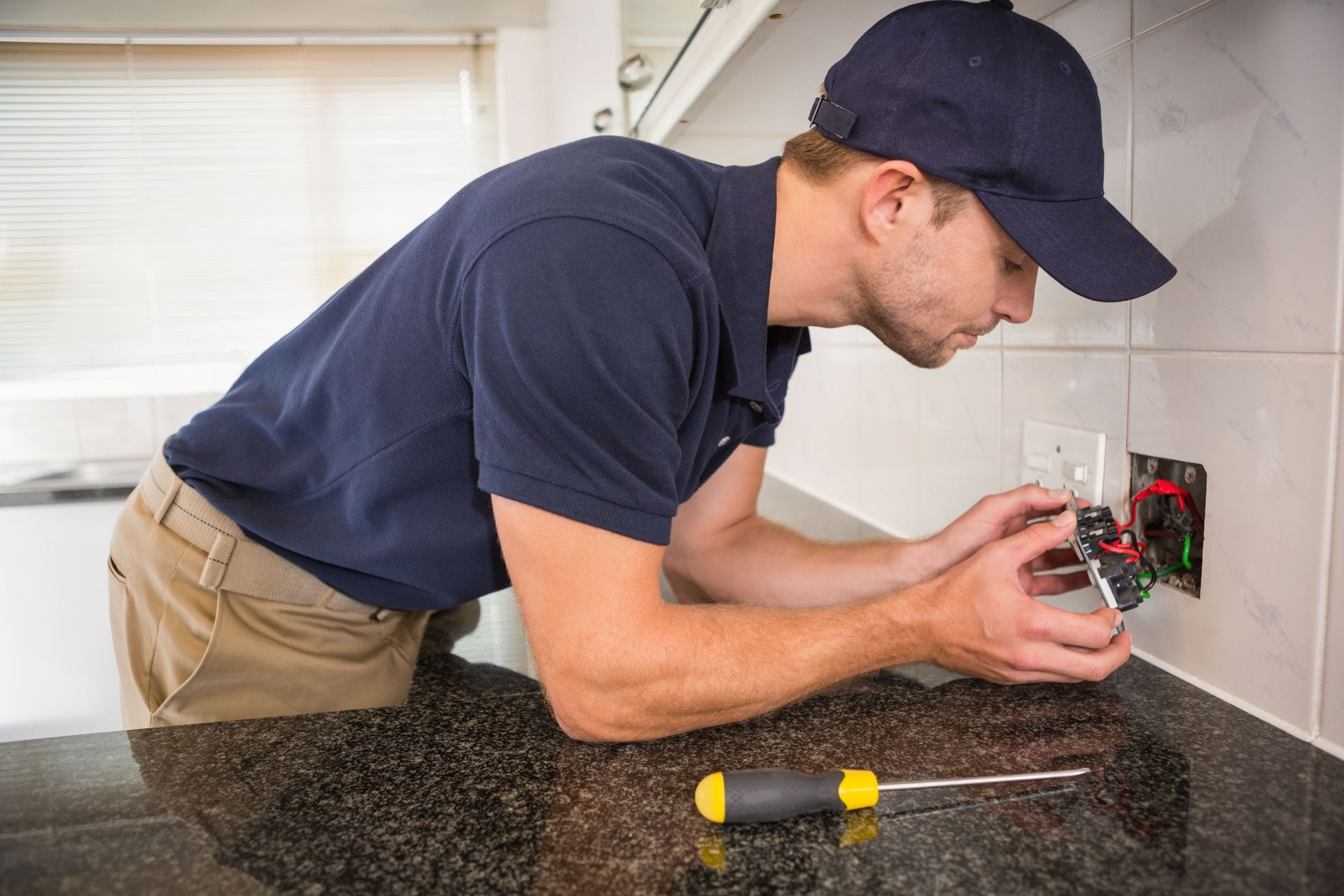
Improper wire connections also contribute to faulty wiring, resulting in poor conductivity and potential hazards. Connections that are loose or corroded can cause overheating, leading to melted insulation and fires. Electricians look for signs of wear and tear and ensure that connections are secure and properly insulated. This includes checking terminal screws, splicing joints, and connectors to ensure they adhere to code regulations. Correcting improper wire connections is essential for maintaining system integrity and avoiding dangerous situations.
Improper Wire Connections
Improper wire connections frequently occur due to hastily done home repairs or DIY projects by untrained individuals. Such connections may appear functional, but often don't provide the necessary conductive contact between wires. As a result, they can create high-resistance points that generate heat and cause insulation to degrade or ignite. This risk is compounded by the fact that improper connections can be inconsistently reliable, failing unexpectedly. According to Zipdo, 51% of electrical structure fires start with faulty wiring. This fact underscores the importance of this seemingly small error. Electricians address these issues with well-established techniques to ensure all connections conform to safety codes and standards.
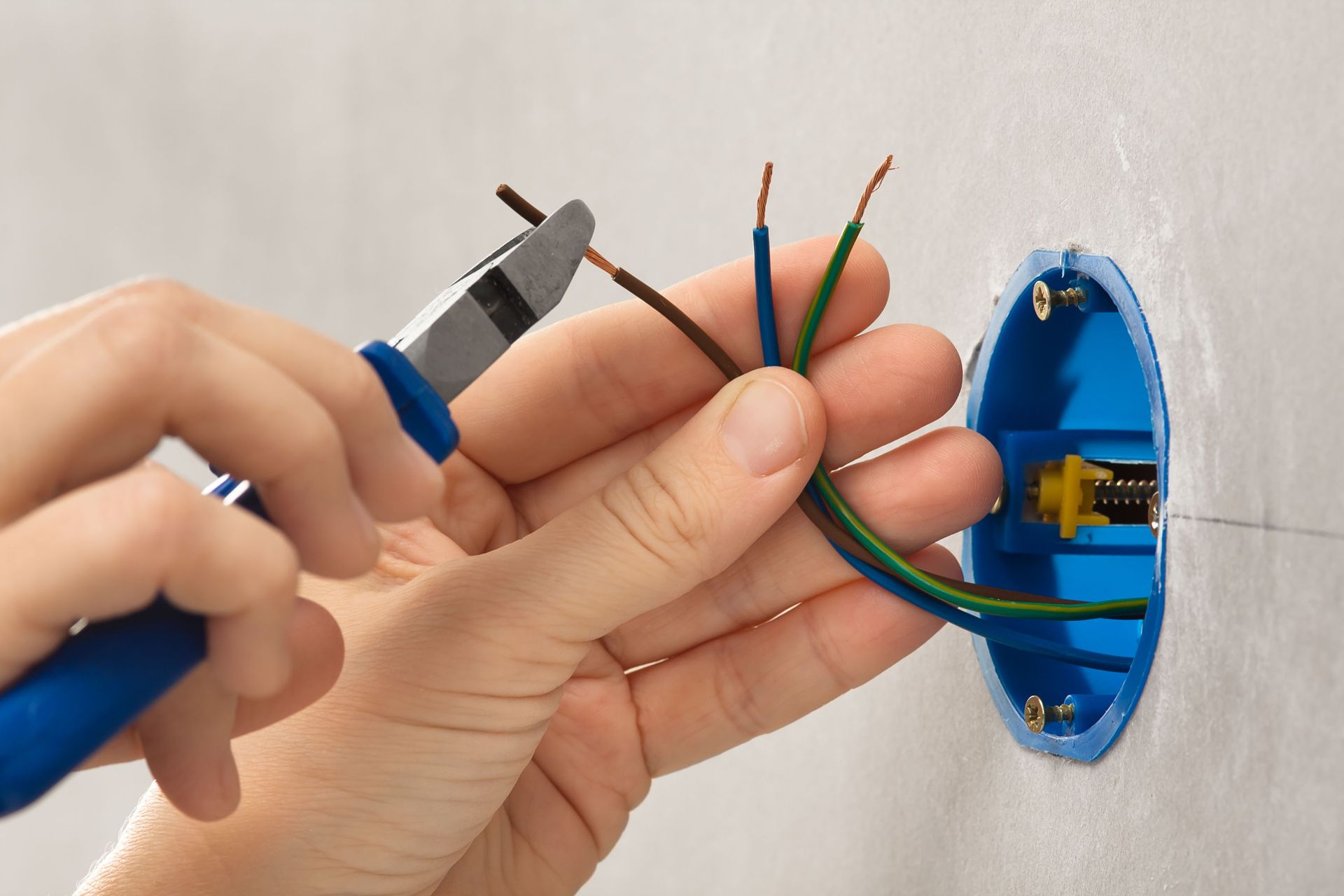
Correcting improper wire connections involves not only ensuring a strong mechanical bond but also providing sufficient strain relief to avoid loosening. Professionals achieve this with tools such as wire connectors and terminal blocks, which secure connections mechanically and electrically. These components encase and protect connections, reducing exposure to environmental factors like moisture or vibration. Electricians frequently find such issues hidden in junction boxes or behind outlets, especially in older homes where numerous alterations may have been made without professional oversight. Restoring these connections is a critical task that prevents future safety risks.
Overloaded Circuits
Extreme Load on Single Circuit
Overloaded circuits occur when too much electrical demand is placed on a single circuit, causing the circuit breaker to trip or, worse, potentially leading to fire hazards. Such situations are common when multiple high-wattage devices are plugged into outlets on the same circuit. Electricians identify the cause of overloads through careful inspection of appliance loads and circuit capabilities. They often recommend redistributing loads by adding new circuits or upgrading existing ones to prevent overload. Ensuring circuits are not overburdened significantly enhances electrical safety.
In today's modern homes, the demand on electrical systems is far greater than ever before, primarily due to the proliferation of electronic devices. Consequently, what may have been a sufficient circuit thirty years ago might be overburdened today with additional modern appliances like air conditioners or microwaves. Electricians use detailed load calculations to evaluate whether a current setup is capable of meeting these demands. Upgraded circuits not only ensure safety but also improve the overall efficiency and reliability of electrical systems.
Excessive Use of Extension Cords
The frequent use of extension cords is a red flag for electricians, as it indicates a potential insufficiency in outlet availability or circuit design. Extension cords are meant for temporary solutions and can become fire hazards when used as permanent wiring options. Over time, repeated use can lead to degraded insulation, exposing wires and increasing the likelihood of electrical mishaps. During inspections, electricians check for reliance on extension cords and typically suggest adding new outlets or circuits to meet demand safely. This adaptation creates a safer, more efficient electrical system while reducing potential fire hazards.
Moreover, extension cords are not designed to handle heavy, continuous loads; doing so can lead to overheating and potential fires. Electrical inspections that target areas with high usage exposure, such as home offices or entertainment centers, often find overextended extension cords as a recurrent issue. Electricians recommend solutions like permanently installed wiring or upgraded circuit capacity to handle the loads appropriately. This change eliminates the risk associated with long-term use of extension cords and ensures ongoing compliance with safety standards.
Faulty Electrical Panels
Breaker Tripping Issues
Consistently tripping breakers are more than an annoyance; they signal deeper issues like protection faults or overloaded circuits. Frequent tripping might suggest that circuits are handling more than their rated capacity, a situation that poses a fire risk due to overheating. Electricians tasked with inspecting these systems diagnose the root cause by assessing circuit loads, wiring integrity, and panel condition. Resolving tripping issues often involves upgrading breaker capacity or rewiring affected circuits to distribute load more effectively. Addressing such problems ensures the electrical system operates within safe parameters while reducing potential hazards.
The continued occurrence of these issues underscores the need for updated electrical panels that can efficiently manage modern demands. Older panels might not be equipped to handle current electrical demands or might have defects that prevent them from functioning properly. Inspections focusing on breaker tripping incidents often result in actionable recommendations for system upgrades or modernization. This ensures that the electrical infrastructure remains reliable and safe for all household activities.
Rust and Corrosion
Rust and corrosion are more than mere aesthetic issues; they signify compromised electrical safety and inefficiency. Corroded connections can lead to increased resistance, overheating, and possible failures in power delivery. Regular inspections allow electricians to detect early signs of rust and take corrective measures to restore the integrity of electrical panels. Solutions often include replacing rusted elements, applying protective coatings, and ensuring areas prone to moisture have adequate ventilation or moisture barriers. Repairing corrosion early in its development is crucial for maintaining effective and hazard-free electrical systems.
As electrical panels age, exposure to environmental factors can exacerbate rust and corrosion, necessitating frequent checks and maintenance. Electricians use specific techniques to assess the extent of damage and ensure thorough rectification of any issues found. By integrating modern, rust-resistant components and materials during repairs, they extend the longevity and safety of electrical systems. This proactive maintenance contributes to ongoing system reliability and guards against unexpected breakdowns or hazardous conditions.
Electrical issues often develop out of sight, making regular inspections an essential part of maintaining a safe and reliable property. Whether it's outdated wiring, overloaded circuits, improper connections, or deteriorating electrical panels, identifying these problems early can prevent costly repairs, equipment damage, and serious safety hazards. Professional electricians have the expertise to recognize warning signs, recommend effective solutions, and ensure systems remain compliant with current safety standards. By investing in routine inspections and timely upgrades, homeowners and business owners can protect their property, improve system performance, and gain peace of mind knowing their electrical infrastructure is operating safely and efficiently. To have a professional inspect your home for electrical dangers, schedule service from At Your Service Electric, LLC today.