June 15, 2026
Electrical maintenance is a vital part of protecting your home and family. Ensuring your electrical system operates efficiently reduces the risk of hazards, optimizes energy use, and minimizes costly repairs. With modern households relying heavily on electricity, understanding your system and performing regular upkeep is essential. Engaging with a licensed electrician ensures your home remains safe, compliant, and capable of meeting today's electrical demands.
1. Understand Your Home Electrical System
1.1. Examine the Anatomy of Your Electrical System
Your home's electrical system is a network designed to safely distribute electricity from utility lines to appliances and outlets. Power enters through the service lines into the main panel, which divides electricity into circuits servicing different areas. Each component, from breakers to wiring, plays a distinct role in maintaining safe and consistent energy flow. By understanding the system's structure, homeowners can more easily identify when professional assistance from a licensed electrician is necessary.
Key components include the service panel, outlets, switches, and wiring. The service panel acts as the hub, distributing electricity to all circuits, while outlets and switches control individual devices. Wiring forms the backbone, carrying current safely throughout your home. Recognizing these elements reinforces the importance of regular maintenance and professional inspections to prevent hazards.
1.2. Identify Key Electrical Components
Critical components ensure reliable operation. Circuit breakers protect circuits by cutting off electricity in the event of overloads, preventing fire risks. Outlets and switches, used daily, are prone to wear and should be inspected regularly. Transformers, though less visible, reduce high-voltage power to usable levels for your home. Understanding these elements allows us to plan preventive maintenance, upgrade systems when necessary, and ensure energy efficiency remains high. According to Westfield Insurance, homeowners should have a licensed electrician check their home's wiring every three to five years to ensure compliance with current standards. This practice helps identify potential faults early, from frayed wires to outdated breakers, preventing both costly repairs and serious safety hazards.
1.3. Read Your Electrical Panel
Being familiar with your electrical panel simplifies troubleshooting and maintenance. Circuit breakers inside the panel can be toggled to restore power during an overload. Proper labeling ensures quick identification of which circuits control which areas, streamlining diagnostics. Periodic reviews of the panel by a licensed electrician can detect issues such as loose connections or outdated components before they escalate.
Clear labeling and accessible mapping of the panel are essential for household safety. Knowing which breaker controls each area allows for efficient professional inspections and reduces risks during repairs. Modern panels with features like surge protection enhance both safety and performance, supporting an up-to-date and compliant system.
2. Implement Essential Electrical Maintenance Tips
2.1. Conduct Regular Inspection and Testing
Routine inspections are foundational for safe and efficient electrical systems. Checking service panels, outlets, switches, and visible wiring identifies wear or potential hazards before they escalate. Ground fault circuit interrupters (GFCIs) and breakers should be tested to confirm they function correctly, safeguarding appliances and residents alike. Establishing a consistent inspection schedule reduces emergency repair needs and strengthens home safety. Annual assessments of connected devices, smoke detectors, and carbon monoxide detectors enhance protection, ensuring optimal operation.
2.2. Clean Electrical Components Regularly
Maintaining a dust-free environment for electrical panels, outlets, and appliances prevents overheating and ensures optimal performance. Use dry cloths or compressed air to remove debris, taking care to disconnect devices beforehand to maintain safety. Professional cleaning of hard-to-reach areas further reduces risks and enhances system longevity. Neglecting regular cleaning can cause diminished performance and long-term component damage. By combining routine homeowner cleaning with professional evaluations, we maximize both efficiency and safety, preserving the integrity of your electrical system.
2.3. Ensure Proper Ventilation
Proper ventilation is crucial to prevent overheating of electrical components and appliances. Confined spaces, such as attics or basements, may require extra airflow considerations to maintain temperature control. Ensuring vents are unobstructed and integrating solutions like strategically placed fans promotes efficient system operation. Periodic oversight by a licensed electrician ensures ventilation systems remain effective and aligned with evolving standards. Maintaining airflow not only protects equipment but also enhances energy efficiency, supporting a safe and functional home environment.
3. Address Common Electrical Issues and Troubleshooting
3.1. Investigate Flickering Lights
Flickering lights often indicate underlying electrical issues, from circuit overloads to wiring problems. Persistent flickering requires professional evaluation to prevent potential hazards. Consulting a licensed electrician ensures accurate diagnosis and remediation, avoiding escalation of issues. Regular inspection and maintenance reduce occurrences of flickering and improve stability across the electrical system. Aligning troubleshooting with scheduled evaluations enhances safety and reliability, as recommended by Westfield Insurance.
3.2. Resolve Frequent Tripped Breakers
Circuit breakers that trip repeatedly signal overloads or faults. Assessing the number of devices per circuit and the overall load can identify the source of repeated interruptions. Licensed electricians can inspect wiring and breakers to implement corrective measures, improving safety and performance. Addressing these issues proactively prevents damage to appliances and reduces the risk of fire. Integrating professional guidance with regular monitoring ensures your system operates efficiently and meets current electrical standards.
3.3. Repair Faulty Outlets and Switches
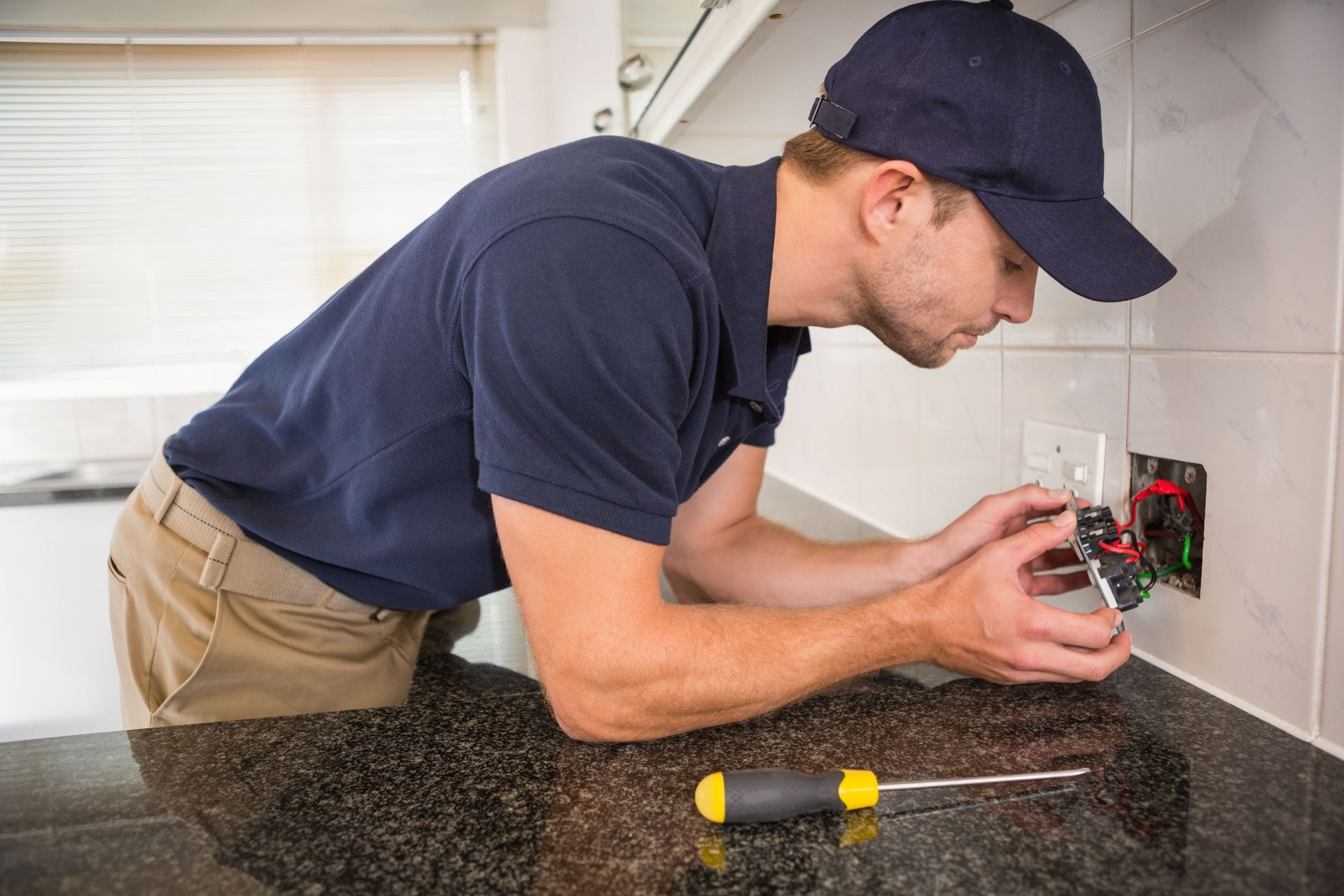
Worn or malfunctioning outlets and switches are potential hazards and should be addressed promptly. Loose connections or visible damage can compromise safety. Licensed electricians provide precise repairs or replacements, guaranteeing that all components meet regulatory requirements.
Regular inspections allow early detection of outlet and switch issues, ensuring uninterrupted power flow and safe operation. Routine maintenance supports the long-term reliability of your home's electrical system.
4. Utilize Professional Electrical Services
4.1. Schedule Comprehensive Electrical Inspections
Routine inspections by licensed electricians cover panels, wiring, breakers, and appliances. These assessments ensure compliance with safety standards, identify early signs of wear, and provide actionable solutions. Implementing a proactive inspection schedule helps prevent emergencies and extends the life of your electrical infrastructure.
4.2. Access Specialized Electrical Services
Homeowners benefit from services including wiring installation, electrical repairs, safety upgrades, and emergency interventions. An engaging licensed electrician ensures all work meets regulatory standards, providing peace of mind and long-term system reliability. We offer same-day service, free estimates, and round-the-clock emergency response, underscoring our commitment to comprehensive care.
4.3. Maintain Safety and Security Systems
Electrical maintenance extends to safety and security installations, including alarms, lighting, and monitoring devices. Licensed electricians ensure these systems operate efficiently and integrate seamlessly with home electrical infrastructure. Regular professional oversight maintains both household safety and operational efficiency.
5. Plan for Ongoing Maintenance
5.1. Follow Scheduled Professional Evaluations
According to Westfield Insurance, assessments by professionals every three to five years is the backbone of safe electrical upkeep. These evaluations prevent unnoticed deterioration, ensure compliance, and support proactive planning for system upgrades. Regular professional assessments align with safety standards and help in identifying potential hazards before they escalate into serious issues.
5.2. Document Maintenance Activities
Maintaining a detailed record of inspections, repairs, and upgrades allows homeowners and electricians to track trends, anticipate issues, and plan for future improvements. Accurate documentation supports informed decision-making and continuity in home electrical care.
5.3. Stay Informed on Technological Advancements
Home electrical systems evolve with technology, including smart panels, energy-efficient devices, and advanced monitoring tools. A licensed electrician provides guidance on integrating these innovations, keeping your system up-to-date and compliant with modern standards. Regular engagement with professionals ensures that your home's electrical infrastructure adapts to changing demands while maintaining safety, efficiency, and reliability.
Electrical maintenance is an ongoing commitment that safeguards your home and enhances energy efficiency. From understanding your system and performing inspections to implementing professional upgrades, consistent care prevents hazards and optimizes performance. By partnering with a licensed electrician, we ensure your home remains compliant, safe, and reliable. For comprehensive electrical maintenance, inspections, and emergency support, rely on At Your Service Electric, LLC.