June 16, 2026
The world of electricians is filled with intriguing stories, technical wonders, and awe-inspiring feats. From the essential role they play in our daily lives to the unique skills they possess, there is much to discover and appreciate about these professionals. They help power homes, businesses, factories, hospitals, and countless other facilities that modern society depends upon. Without their expertise, many of the conveniences we take for granted would simply not exist. Let’s explore some fascinating facts about this skilled trade and the people who keep electrical systems operating safely and efficiently.
1. The Origins of the Electrical Trade
The history of electricians can be traced back to the late nineteenth century when electricity started becoming accessible to the public. This era saw the rise of professionals who specialized in wiring homes and public buildings. These pioneers laid the groundwork for the advanced electrical systems we benefit from today. The origins of the trade were rooted in curiosity and innovation as electricity became a crucial component of urban development.
Many pioneers shaped the field of electricity through groundbreaking innovations. Thomas Edison and Nikola Tesla were instrumental in establishing electrical systems that powered entire cities. Their expertise and rivalry drove the development of both direct current and alternating current systems. These advancements created a growing need for trained professionals who could safely install and maintain electrical infrastructure.
As technology evolved, so did the responsibilities associated with the trade. Workers moved beyond basic wiring and began supporting increasingly complex systems. The growth of industry, transportation, and communications required constant adaptation. The historical milestones in electrical work demonstrate remarkable innovation and a commitment to meeting society’s changing needs.
2. How the Profession Has Changed Over Time
During the early days of electrification, many installations were relatively simple compared to today's standards. Over time, electrical systems became larger, safer, and more sophisticated. Building codes, safety regulations, and industry standards were introduced to protect both workers and the public.
Today's professionals work with technologies that would have seemed impossible a century ago. Smart homes, renewable energy systems, electric vehicle charging stations, and advanced automation equipment have expanded the scope of the industry. The ability to adapt to these innovations has allowed the profession to remain essential throughout generations.
3. The Many Specializations Within the Industry
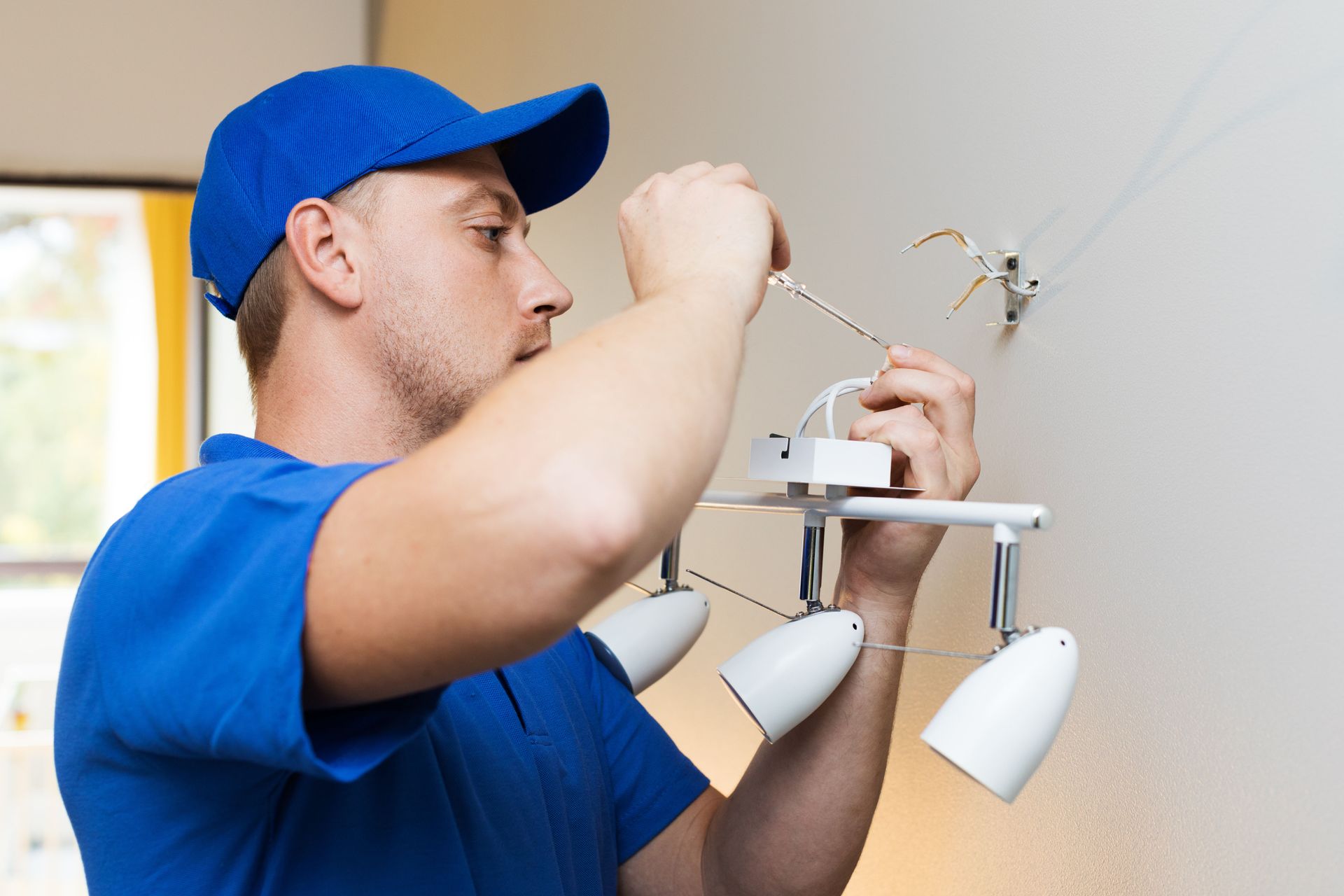
One interesting fact about the profession is the variety of career paths available. Residential electricians focus on home wiring, ensuring that electrical systems function safely and efficiently. Their responsibilities include installations, upgrades, inspections, and troubleshooting. They often help homeowners improve energy efficiency while maintaining compliance with current codes.
Commercial electricians work in office buildings, retail centers, restaurants, schools, and other business environments. These projects frequently involve larger systems and more demanding electrical loads. Commercial settings often require extensive planning and coordination with architects, contractors, and property managers.
Industrial specialists maintain systems found in manufacturing facilities, processing plants, and warehouses. Their work often includes automation systems, motor controls, and heavy machinery. Because production facilities rely on uninterrupted power, these professionals play a critical role in preventing downtime and maintaining productivity.
Auto electricians focus on vehicle wiring, batteries, sensors, and electronic components. Modern vehicles contain increasingly sophisticated technology, making this specialization more important than ever. Other professionals focus on renewable energy, telecommunications, or research and development projects.
4. Specialized Knowledge Is More Important Than Ever
As electrical technology advances, specialized expertise becomes increasingly valuable. Some professionals concentrate on solar energy systems, while others focus on smart building technology. These specialized areas require ongoing training and a commitment to learning new skills.
According to BobVila.com, replacing outdated electrical panels is crucial for safety, especially those aged 25 to 40 years, which are considered potential fire hazards. This highlights the importance of knowledgeable professionals who understand both legacy systems and modern upgrades.
5. The Tools That Make the Job Possible
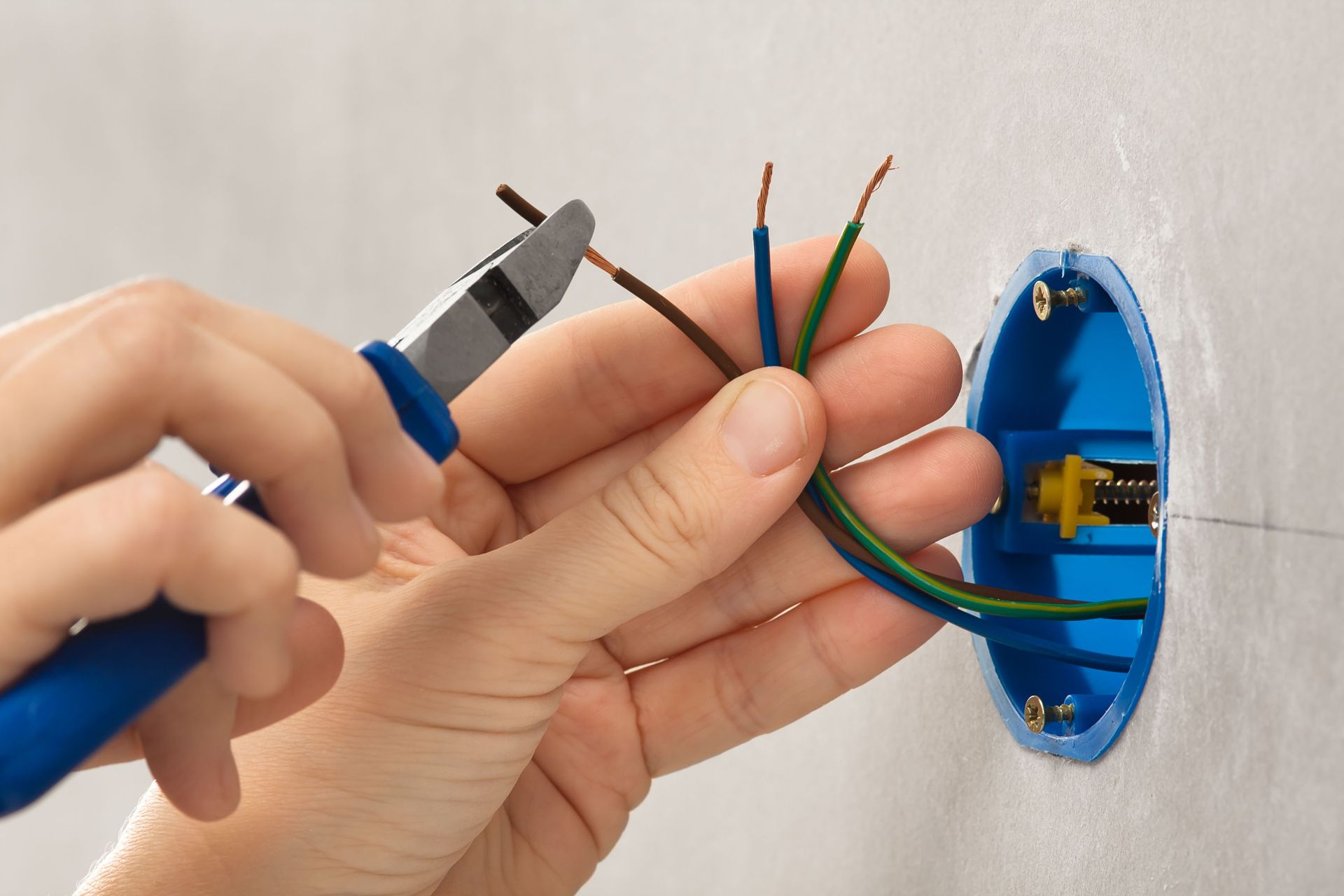
Every trade relies on specialized equipment, and electrical work is no exception. Basic hand tools such as pliers, screwdrivers, wire strippers, and cutters remain fundamental to everyday tasks. These tools allow technicians to install components, make connections, and perform repairs with precision.
Advanced diagnostic tools play an equally important role. Multimeters, circuit analyzers, and voltage testers help identify problems quickly and accurately. These instruments provide valuable information about system performance and allow technicians to diagnose issues before they become major concerns.
6. Safety Is the Foundation of Every Project
Safety remains one of the most important aspects of electrical work. Professionals regularly encounter potentially hazardous situations involving high-voltage systems, energized equipment, and complex wiring networks. Because of these risks, extensive safety training is required throughout a career. Proper procedures help reduce accidents while protecting workers, building occupants, and valuable property.
Personal protective equipment plays a major role in maintaining workplace safety. Depending on the task, workers may use insulated gloves, safety glasses, arc-flash protective clothing, hard hats, and specialized footwear. These protective measures help minimize exposure to electrical hazards while allowing projects to be completed efficiently.
In addition to personal protection, safety depends heavily on planning and preparation. Before beginning a project, circuits are often tested, identified, and isolated to prevent accidental contact with energized components. Detailed inspections and adherence to established safety protocols help ensure that installations and repairs meet strict industry standards.
7. Continuous Learning Never Stops
Electricians are constantly evolving, making lifelong learning an essential part of the profession. New technologies, revised building codes, and emerging energy solutions require professionals to stay informed throughout their careers. Many participate in continuing education courses, certification programs, and manufacturer training sessions to keep their skills current.
Advancements in renewable energy have created entirely new areas of expertise. Solar panel installations, battery storage systems, and energy management technologies require specialized knowledge that was not commonly needed just a few decades ago. As energy demands continue to change, ongoing education allows professionals to adapt and remain effective in their roles.
Learning also extends beyond technical skills. Communication, project management, customer service, and problem-solving abilities are increasingly valuable. Successful professionals often combine technical expertise with strong interpersonal skills to coordinate projects and explain complex concepts to clients and coworkers.
8. Electrical Work Supports Modern Infrastructure
Many people associate electricians primarily with homes and businesses, but the profession contributes to nearly every aspect of modern infrastructure. Transportation systems, water treatment facilities, hospitals, airports, data centers, and communication networks all depend on reliable electrical systems to function properly.
Healthcare facilities provide an excellent example of this importance. Hospitals rely on uninterrupted power to operate critical medical equipment, maintain patient care systems, and support emergency operations. Backup generators, emergency lighting systems, and specialized power distribution networks must function flawlessly during unexpected outages.
Similarly, modern communication networks require sophisticated electrical infrastructure. Internet services, cellular networks, and cloud computing facilities depend on carefully maintained power systems. The increasing reliance on technology has only strengthened the importance of skilled professionals who can keep these systems operating reliably.
Technology has transformed the modern toolbox. Thermal imaging cameras can detect overheating components without requiring invasive inspections. Digital testing devices provide detailed readings that help improve efficiency and accuracy. The use of advanced equipment allows professionals to complete projects more effectively while maintaining high safety standards. Contact At Your Service Electric, LLC today to get connected with our electric services.