June 11, 2026
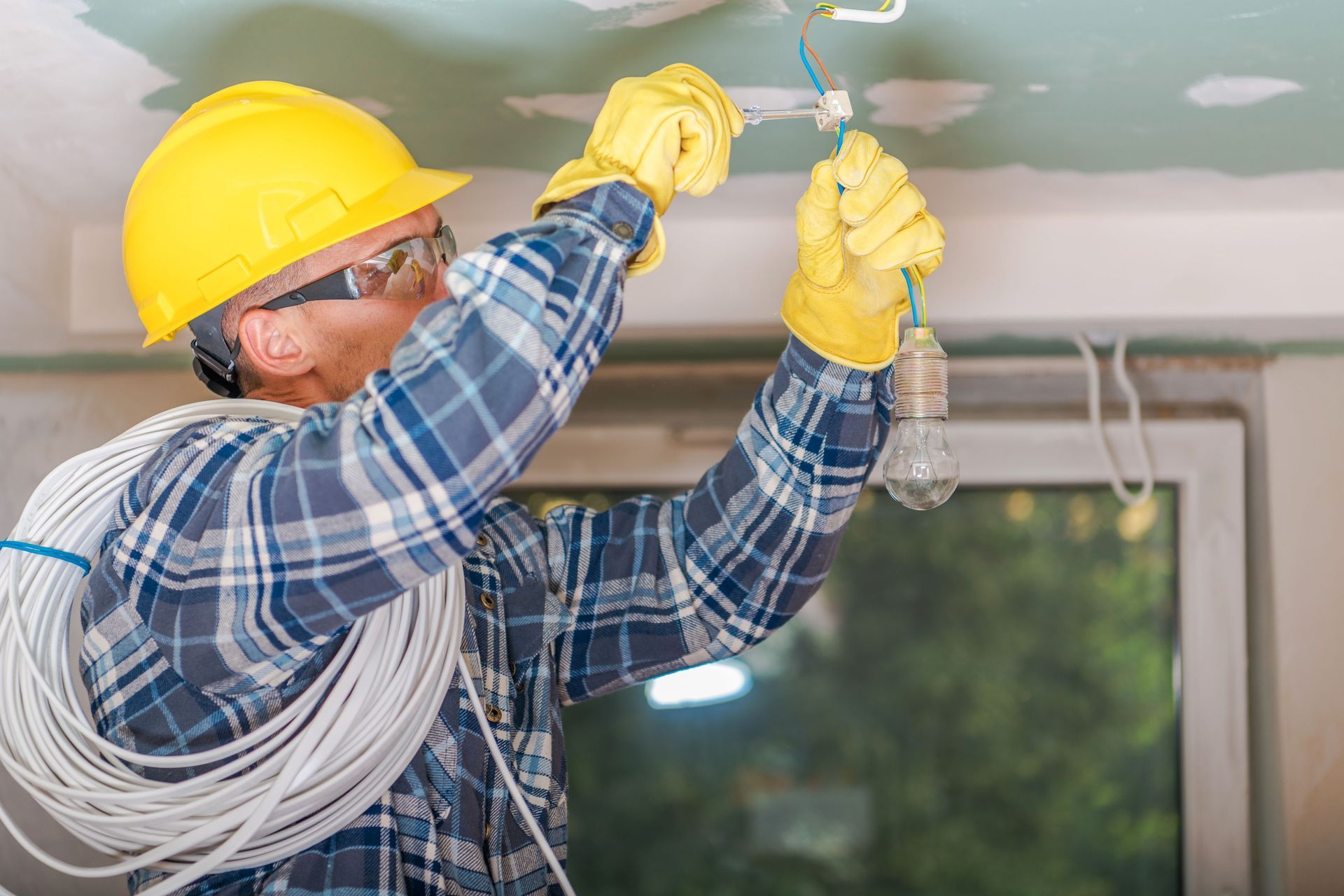
Maintaining a safe living environment requires a clear understanding of the hidden systems within our walls. Homeowners often overlook the complex network of wires that power daily lives, creating safety threats. Recognizing these hazards protects your property and ensures household safety. A professional residential electrician possesses the training required to spot warning signs before they escalate into disasters.
Electrical safety is a continuous responsibility shared between homeowners and skilled professionals. Visual checks help, but they cannot substitute for thorough diagnostics performed during inspections. Engaging a licensed residential electrician helps identify underlying vulnerabilities, mitigating risks of electrocution or property loss. Prioritizing regular evaluations helps secure total peace of mind and maintain a reliable household infrastructure.
Inspect Faulty Wiring and Connections
Antiquated electrical frameworks often fail to support modern energy demands safely in aging residential properties. Older systems, such as knob-and-tube or aluminum setups, are highly susceptible to degradation over time. According to documented NFPA data, infrastructure tied to electrical distribution, illumination, and power transmission was responsible for 47% of residential electrical fires from 2020 through 2024. Property owners must invest in timely upgrades to replace these components.
Loose structural wires and compromised connections represent another severe risk within residential properties. Loose wires compromise current integrity, frequently resulting in dangerous arcing that creates extreme thermal energy. This localized heat can easily ignite surrounding materials, producing dangerous structural fires. Having an expert regularly examine and tighten every connection ensures a stable pathway for electricity and eliminates hidden combustion points throughout the home.
Circuit overloads occur when the energy demand placed on a system surpasses its intended operational threshold. This issue manifests when homeowners connect multiple high-wattage devices into a single circuit loop, overpowering the system. Common indicators include flickering overhead lights or circuit breakers that disrupt power during normal appliance operation. Managing internal power loads preserves electronic devices and prevents severe heat damage to structural infrastructure.
Improper wire gauges used during installations create serious, long-term operational hazards in any household environment. Wire gauge dictates the specific amount of electrical current a conductor can safely transport without overheating. When a wire is too thin for its connected load, resistance multiplies rapidly, melting protective insulation. Certified specialists understand how to cross-reference load requirements with safety charts to ensure every installation utilizes correct physical dimensions.
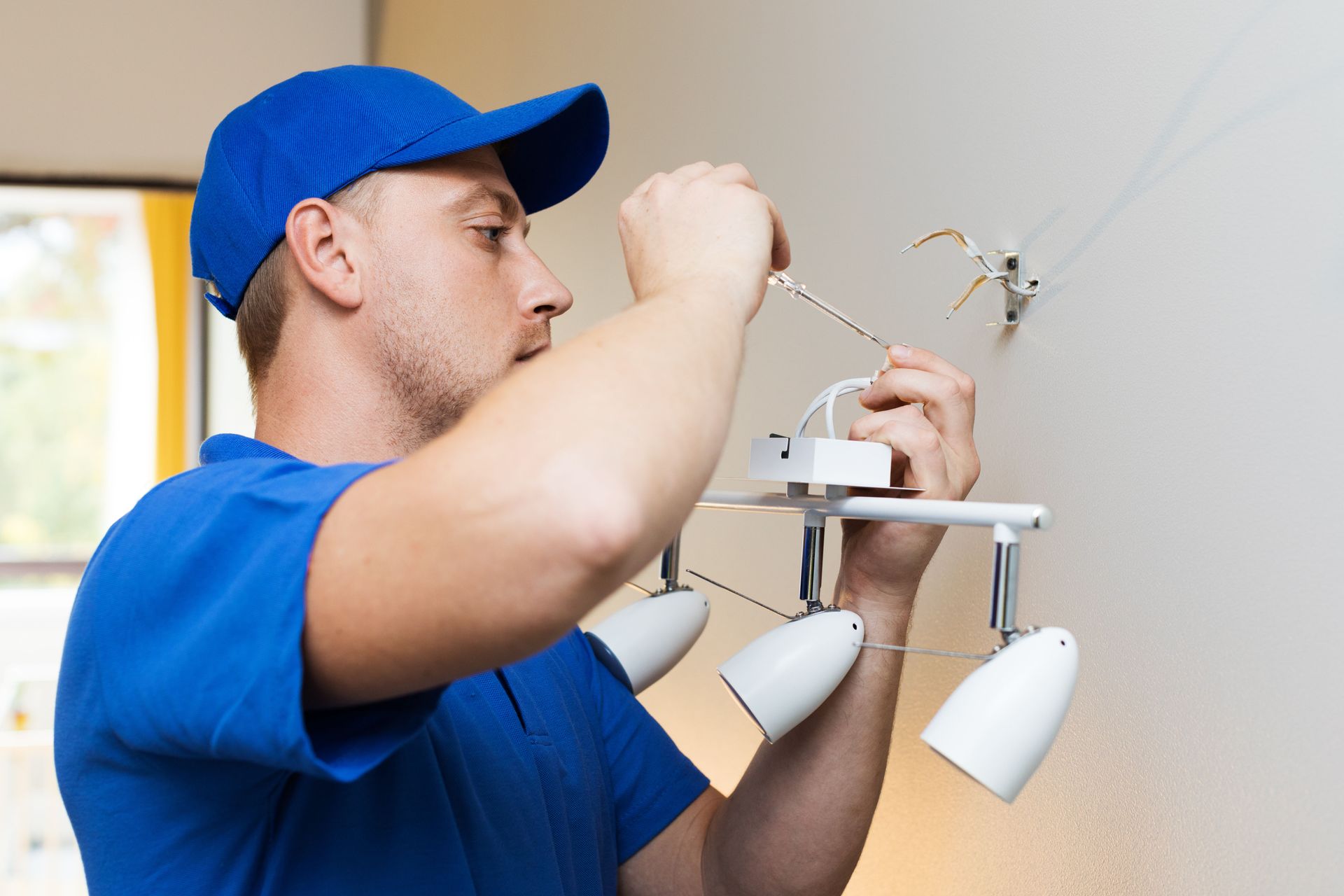
Do-it-yourself electrical work introduces extreme vulnerabilities due to a general lack of specialized training. Uncertified alterations often lead to substandard configurations, exposed conductors, and code violations. These amateur mistakes can result in immediate shocks, short circuits, or latent fire hazards that escape detection. Consulting an experienced residential electrician protects your insurance coverage, maintains property value, and ensures every modification satisfies safety criteria.
Repair Unsafe Outlets and Switches
Ungrounded wall outlets present a major threat, particularly in structures built several decades ago. These older configurations lack a dedicated grounding pathway, meaning excess current has no safe escape route during a system surge. This deficiency elevates the potential for severe electrical shocks and can destroy sensitive electronic devices. Upgrading to grounded infrastructure ensures that stray electricity is channeled safely into the earth, establishing necessary protection.
Damaged outlet faceplates might appear to be simple cosmetic issues, but they expose occupants to live terminal screws. These protective barriers prevent accidental physical contact with energized components and block debris or moisture from entering the wall box. When a plate becomes unstable, inserting a plug can displace the internal receptacle, creating a short circuit. Promptly replacing damaged covers restores the physical barrier necessary to keep occupants safe.
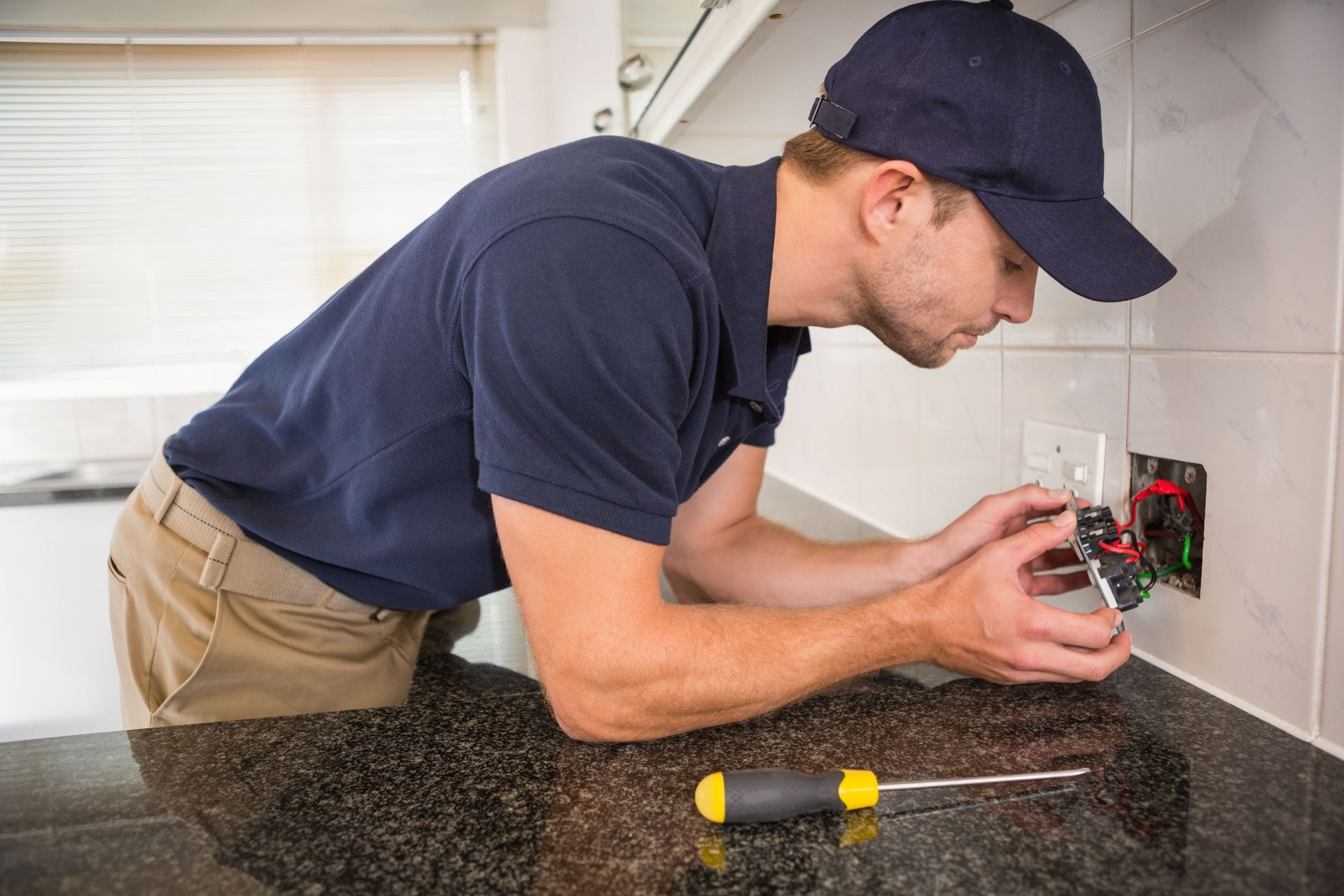
Improperly installed wall switches introduce substantial functionality and safety concerns into a home electrical system. When switches are not mounted securely within their enclosures, internal movement can cause conducting wires to detach or loosen. This instability yields persistent electrical arcing, which degrades the mechanism and creates an invisible fire hazard behind the drywall. Secure professional installation guarantees smooth operation and eliminates localized heating associated with loose components.
Ground fault circuit interrupters are a critical requirement for locations regularly exposed to moisture. These specialized safety receptacles monitor current balance and instantly interrupt the power supply if an imbalance is detected, preventing shocks. A knowledgeable residential electrician will focus on installing these devices throughout kitchens, bathrooms, laundry areas, and exterior locations. Regular testing ensures ongoing functionality, keeping high-risk areas secure against water-related accidents.
Overheating wall outlets that feel warm to the touch or exhibit physical discoloration demand immediate professional intervention. Internal heat accumulation typically points to a deteriorating connection or an underlying circuit operating near maximum capacity. Ignoring scorched wall plates or burning odors can allow localized thermal degradation to progress into an active structural fire. Disconnecting devices from a warm outlet and seeking professional assistance minimizes risks and protects your household.
Upgrade Hazardous Electrical Panels
Overcrowded service panels represent a critical bottleneck that compromises the efficiency and safety of a residential system. This issue arises when too many physical circuits are crammed into a panel box beyond original engineering specifications. The resulting confinement limits airflow and promotes intense heat retention, which accelerates breaker degradation and poses fire risks. Expanding panel capacity or installing a subpanel alleviates this crowding, allowing electricity to flow smoothly.
Faulty circuit breakers jeopardize home safety by failing to trip when an electrical malfunction or current spike occurs. Breakers serve as the primary automated defense mechanism, designed to sever power immediately during short circuits or overloads. If a breaker fails mechanically, excessive current continues rushing through house wires, melting insulation and creating ignition hazards. A qualified residential electrician can test individual breaker responsiveness, replacing worn components to preserve system integrity.
Double tapped breakers occur when two separate electrical conductors are improperly secured under a single breaker terminal screw. Most standard circuit breakers are engineered to hold only one wire, meaning double tapping creates an insecure connection. This configuration leads to loose wiring, overheating, and unpredictable breaker behavior that undermines panel safety. Correcting this hazard involves redistributing the load to dedicated breakers, ensuring each circuit operates under its own protective device.
Outdated fuse boxes are incapable of managing the high power requirements of modern household appliances and electronics. Unlike convenient circuit breakers that simply flip, fuses melt to interrupt current and require physical replacement when a failure occurs. This operational limitation often tempts individuals to install incorrect fuse sizes, creating a severe fire hazard by allowing excessive current flow. Transitioning to a modern breaker panel provides superior protection and satisfies current safety regulations.
Unlabeled electrical panels complicate routine maintenance and delays vital emergency responses. When emergency situations demand an immediate shutdown of power to a specific room, confusing or missing labels cause dangerous delays. Ensuring each breaker clearly indicates its corresponding zone allows occupants to act decisively during a crisis. Clear identification enhances overall system utility and ensures that any individual can safely navigate the main panel.
Proactively addressing electrical hazards protects your family, safeguards your investment, and ensures your home remains a secure environment. Minor issues like a flickering light or a warm outlet plate can indicate deeper systemic problems that require professional diagnostic tools. Partnering with a licensed residential electrician ensures that hidden vulnerabilities are identified and resolved before they disrupt daily life. Investing in regular maintenance preserves system longevity and prevents costly emergency repairs down the road.
Prioritizing safety means relying on qualified professionals who adhere to strict industry guidelines and building codes. When you need comprehensive inspections, reliable panel upgrades, or expert repairs, selecting a trusted team is paramount. Let a certified residential electrician handle your system upgrades to keep your household running safely and efficiently. We invite you to contact us at At Your Service Electric, LLC to schedule your comprehensive safety evaluation today.