March 17, 2026
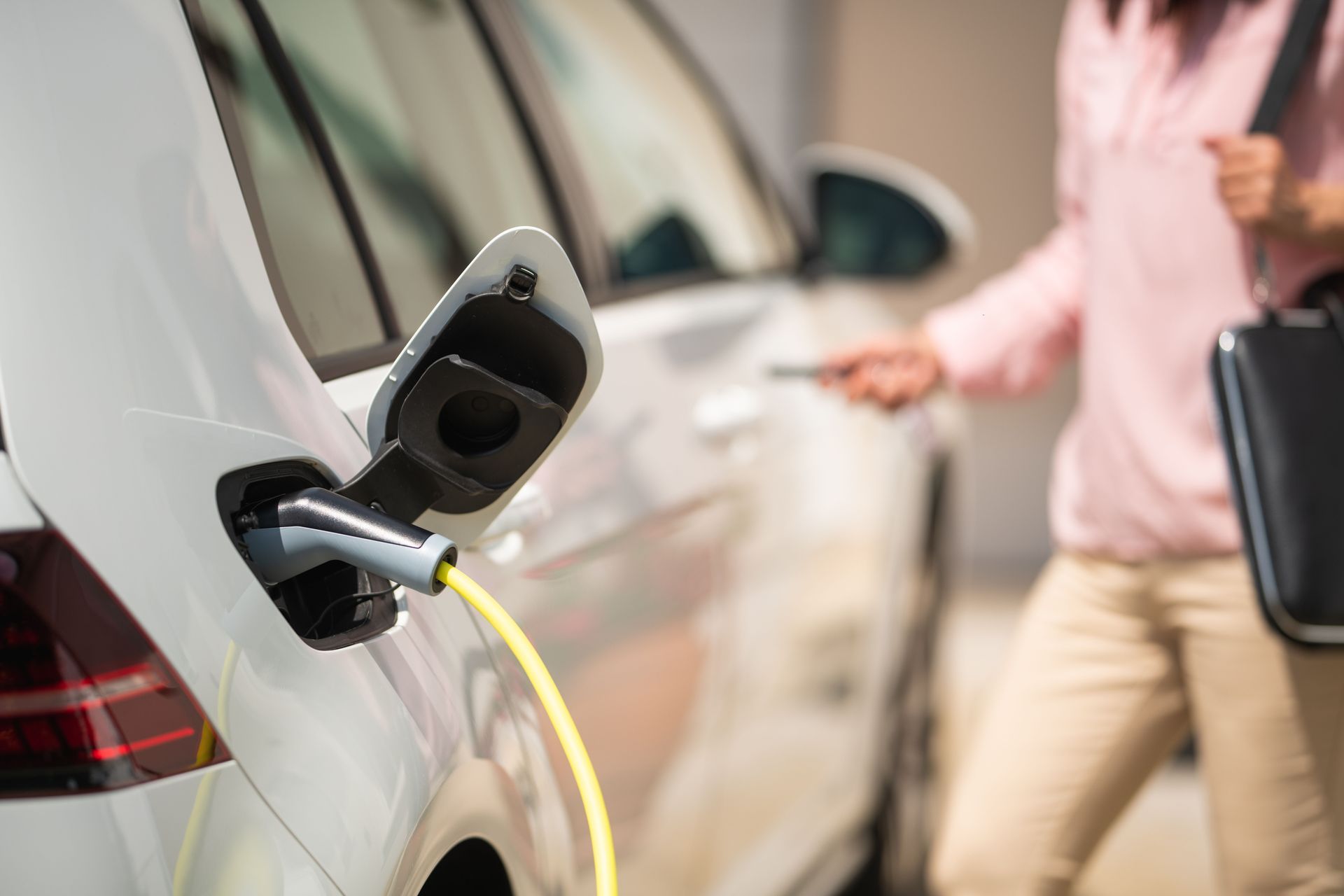
The rise of electric vehicles has transformed the way many households think about transportation and energy use. As more drivers switch to EV’s, convenient home charging has become a priority. Public charging networks continue to expand, but many EV owners prefer the simplicity of plugging in overnight and starting each day with a full battery. A well-installed home charging station allows drivers to charge their vehicles safely, efficiently, and on their own schedule, making daily travel far more convenient.
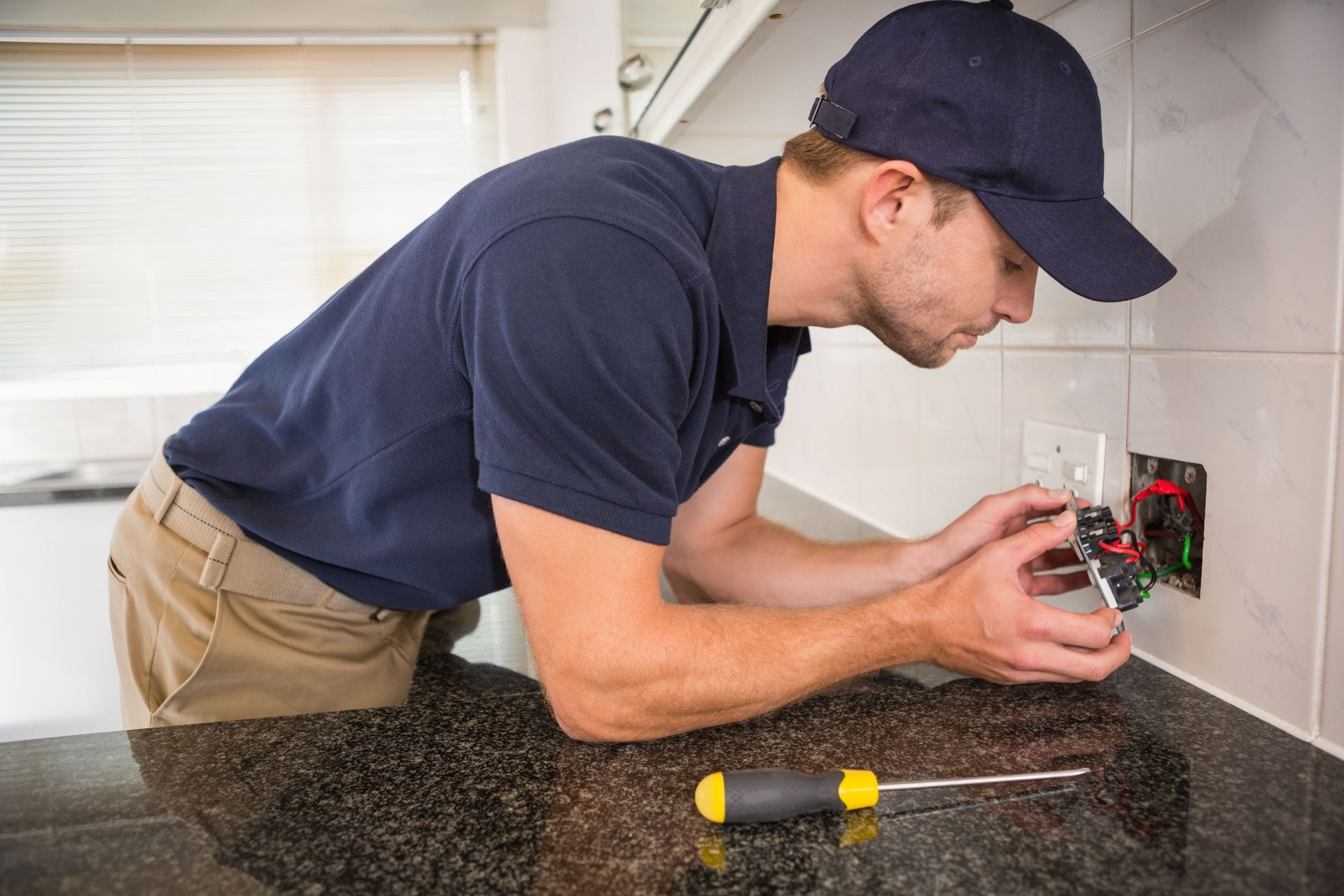
However, installing this equipment involves more than mounting a charger on the wall. Charging systems interact directly with a home's electrical infrastructure, and improper setup can create serious safety risks. Electricians play a central role in helping homeowners install and maintain their charging equipment. Their work supports proper electrical connections, system compatibility, and long-term functionality so that a home charging station operates smoothly for years to come.
Learning the Basics of Home Charging Stations
Electric vehicle charging systems are generally divided into two primary categories for residential use: Level 1 and Level 2 chargers. Level 1 chargers use a standard household outlet and typically charge vehicles slowly, making them suitable for drivers with shorter daily commutes. Level 2 chargers require a higher-voltage circuit but deliver significantly faster charging speeds, which is why many EV owners opt for this option when installing a home charging station.
A charging setup typically includes several components that work together to deliver power safely to the vehicle. These include the charging unit itself, a connector compatible with the vehicle, and durable cables designed to handle frequent use. Many chargers also include built-in safety features such as ground-fault protection and automatic shutoff mechanisms. These features help reduce electrical hazards while maintaining consistent power delivery during the charging process.
Electrical requirements for these systems vary depending on the charger type and the home's existing wiring. Voltage levels, amperage capacity, and circuit protection must all align with the equipment being installed. Because mistakes in these areas can lead to overheating or electrical fires, electricians handle installations with careful attention to wiring, circuit capacity, and protective devices. Their work allows the home charging station to function reliably while supporting safe daily charging routines.
Choosing Professional Installation for Charging Systems
Charging equipment operates at higher electrical loads than many standard household devices. For that reason, installation involves more than simply plugging in a device. Electricians understand how to connect charging systems to dedicated circuits, install appropriate breakers, and position equipment in locations that reduce potential hazards. Their involvement helps a home charging station operate safely without placing unnecessary strain on the home's electrical network.
Local electrical codes also play a major role in installation. Many municipalities require permits or inspections when adding new high-powered equipment to a home. Electricians are familiar with these regulations and understand how to complete installations that align with local guidelines. By following these standards, homeowners can avoid complications during inspections, insurance claims, or future property sales.
Attempting installation without professional training can lead to several common problems. Incorrect wiring, incompatible circuit capacity, and poor placement of charging equipment are frequent issues in do-it-yourself attempts. Electricians bring hands-on experience that helps avoid these complications. Their work supports proper equipment selection, correct wiring connections, and long-term system performance.
Managing Electrical Capacity and Power Loads
Before installing a charger, electricians often evaluate the home's electrical capacity. Many houses were built before EV charging became common, which means existing panels may not always support additional high-demand equipment. A professional assessment helps determine whether the current electrical system can accommodate a home charging station or if upgrades are needed to support the new load.
Balancing electrical demand is another important part of the installation. Homes already draw power for appliances such as HVAC systems, ovens, and laundry machines. Electricians analyze these demands and determine how charging equipment can operate without causing circuit overloads. According to IEA, electricians play a critical role in EV charger installations, which are expected to grow to 35 million units globally by 2030. This rapid expansion highlights how important professional installation and electrical planning have become as EV adoption continues to rise worldwide.
In some situations, panel upgrades may be required to support the additional electrical demand. This process might involve installing a larger electrical panel, adding new circuits, or adjusting wiring layouts. These improvements help the home support both current charging needs and future upgrades, allowing a home charging station to operate without interfering with other household systems.
Adopting Emerging Charging Technologies
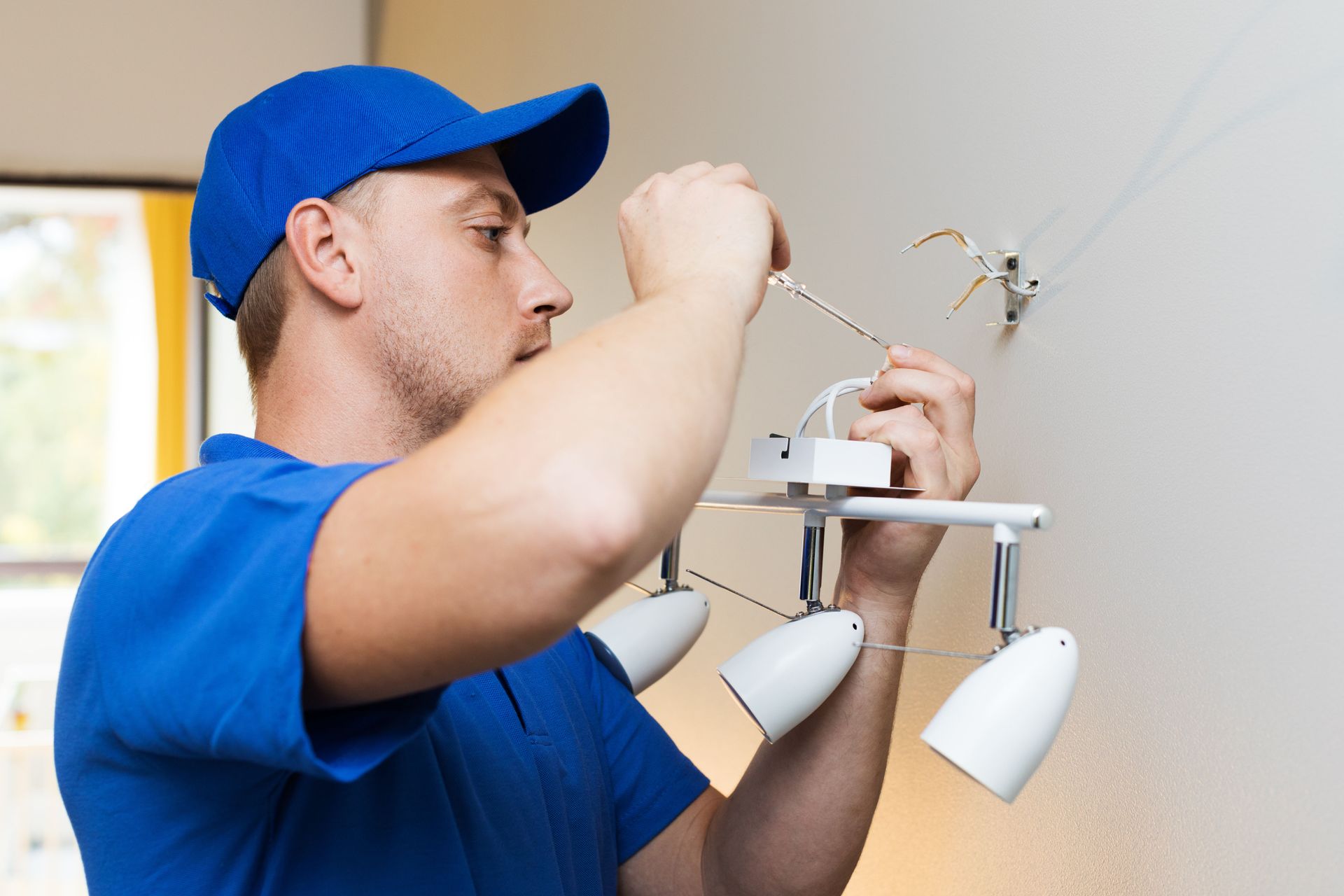
Charging technology continues to evolve as electric vehicles become more common. Many modern chargers now integrate with smart home systems, allowing users to schedule charging sessions, track electricity usage, and receive notifications through smartphone apps. Electricians help connect these systems to household networks while confirming that the home charging station communicates properly with other smart devices.
Another development gaining attention is wireless charging technology. Instead of plugging in a cable, drivers can park their vehicle over an inductive charging pad that transfers energy through electromagnetic fields. Although this technology is still developing for residential use, installation requires electrical knowledge and precise placement of equipment within the garage or driveway area.
Evaluating Costs and Financial Incentives
Installing charging equipment involves several potential expenses, including hardware, labor, permits, and electrical upgrades. The cost of equipment can vary depending on charger speed, brand, and additional smart features. Electricians typically provide installation estimates that outline these expenses, so homeowners understand the financial scope of adding a home charging station.
While installation may involve an upfront investment, many EV owners experience savings over time compared with traditional fuel costs. Charging at home can be significantly less expensive than filling a gasoline tank, especially when charging during off-peak electricity hours. Electricians can help homeowners evaluate different charger options and power configurations to align installation plans with long-term cost goals.
Maintaining Safe and Reliable Charging Systems
Routine maintenance plays an important role in keeping charging equipment operating properly. Over time, connectors, cables, and electrical components may experience wear from regular use. Electricians perform inspections that help identify potential issues early, allowing homeowners to address minor problems before they become larger safety concerns.
Occasionally, charging systems may experience faults such as reduced charging speed, connection interruptions, or warning indicators on the charging unit. Electricians have the training to diagnose these issues and restore normal operation. Their ability to locate wiring faults or equipment malfunctions helps reduce downtime and keeps the home charging station functioning as intended.
Electric vehicles are becoming an increasingly common part of everyday life, and residential charging infrastructure plays a major role in supporting this shift. A properly installed home charging station allows drivers to charge conveniently while supporting the performance and longevity of their vehicle's battery system. From equipment selection to wiring connections and system testing, electricians contribute essential knowledge that helps make residential charging practical and safe.
Their involvement extends well beyond the initial installation. Electricians evaluate electrical capacity, manage power loads, connect smart technology, and perform ongoing maintenance when needed. As EV technology continues to evolve, its role in supporting reliable charging infrastructure will only become more significant. If you are considering installing a
home charging station, reach out to At Your Service Electric, LLC today to discuss the best charging setup for your home and start building a safe, efficient EV charging solution.